Long before Dublin had a highlights reel or a five-a-side pitch with plastic turf, it had dockworkers coming off an eight-hour shift at the Ringsend quays and walking straight onto a patch of scrubland with a ball. That habit, repeated through the 1880s and 1890s, produced three of the League of Ireland's founding clubs within a few hundred metres of each other. It's still the reason Dublin's football culture reads differently from every other Irish city, and most of the trail those dockworkers left behind is still standing, still playable, and still bookable.
Ringsend is where this story begins
Start at Ringsend Park & Irishtown Stadium (Ringsend), a free public park with no ticket booth and no bookable tour. You just walk through it. That's the point. This scrappy patch of Dublin Bay reclaimed land is where both Shelbourne and Shamrock Rovers trace their roots, and the council-and-Lottery-funded 2004 renovation gave it proper pitches without erasing the sense that this was, and still is, a working patch of ground rather than a heritage set-piece. Treat it as the opening stop on a wider walk, not a destination in itself — there's genuinely nothing to buy a ticket for here.

A five-minute walk away is Liffey Wanderers FC — Ringsend Stadium Complex (Ringsend), founded in 1885 directly by Dublin Port dockworkers. It's the literal centre of the docklands' athletic tradition, arguably the single most direct site for this whole story, more so than either of the bigger clubs that followed it. There's no formal visitor tour and no ticket office; you watch training or a Leinster Senior League match from the sideline, for free, standing next to whoever else has wandered down. It rewards showing up with low expectations rather than booking anything.
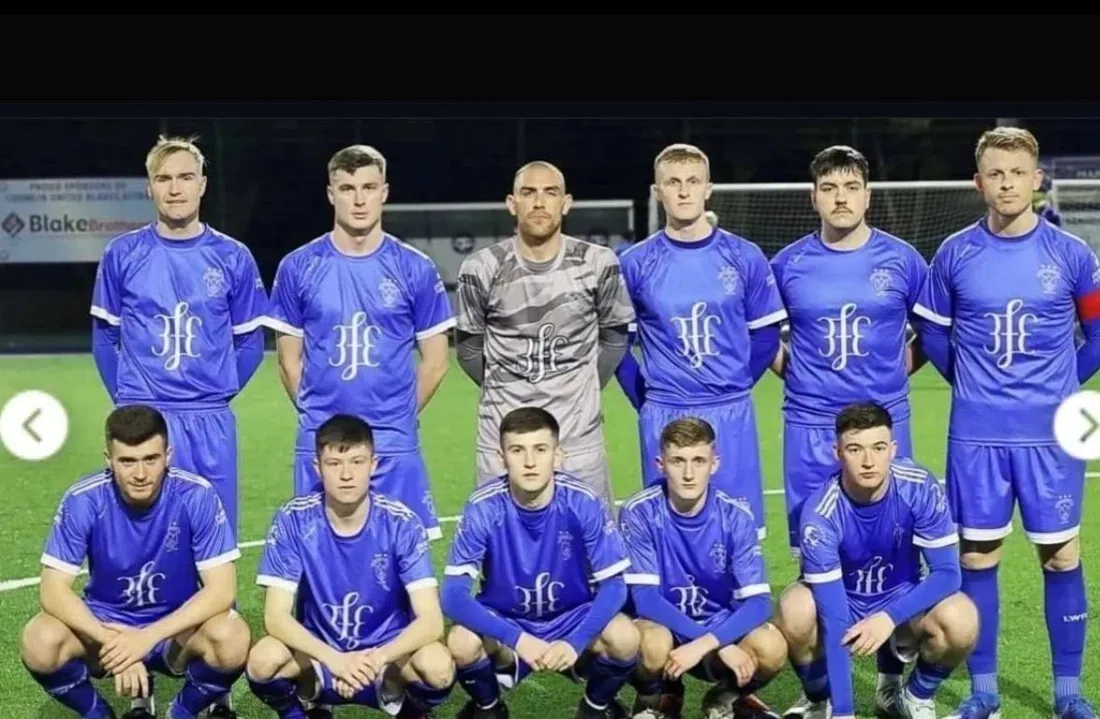
Ten minutes north by bus is Shelbourne FC — Tolka Park (Drumcondra), founded in 1895 by a dockworker named James Rowan in a Ringsend pub. This is, literally, the Dockers' team the whole legacy is named for. Tolka Park has no heritage tour either, but it does have a proper matchday experience: tickets run roughly €15 to €25 through the club site, and small groups are welcome, though you should book ahead for anything above four or five people since away allocations and terrace capacity are genuinely finite on a Friday night.
From Ringsend to the Premier Division and back
The rags-to-riches half of this story plays out at Shamrock Rovers — Tallaght Stadium (Tallaght), a 45-minute Luas ride from the city centre on the Red Line. Rovers were founded in 1901 in Ringsend, in the same dockside community as Shelbourne, and are now Ireland's most successful club by a distance. Match tickets start around €20, but the thing worth actually booking is the official Shamrock Rovers Experience, a hosted package run through Homefans that bundles a stadium tour with hospitality. It's built for small groups rather than solo visitors and needs booking well in advance of a fixture, since capacity is limited and it sells out for European nights. This is the one stop on the trail where a first-time visitor with no interest in League of Ireland football specifically will still have a genuinely good afternoon, because the tour does the explaining for you.

The clubs that widen the story
Two more grounds push this legacy beyond Ringsend proper, and a third completes it. St Patrick's Athletic — Richmond Park (Inchicore) grew out of the Inchicore rail-works community rather than the docks themselves, but it's the same industrial working-class DNA under a different roof. It's a useful comparison for understanding that this wasn't a Ringsend-only phenomenon but a citywide pattern tied to wherever Dubliners worked with their hands. Tickets run €15 to €20 and there's no dedicated tour, just a matchday.

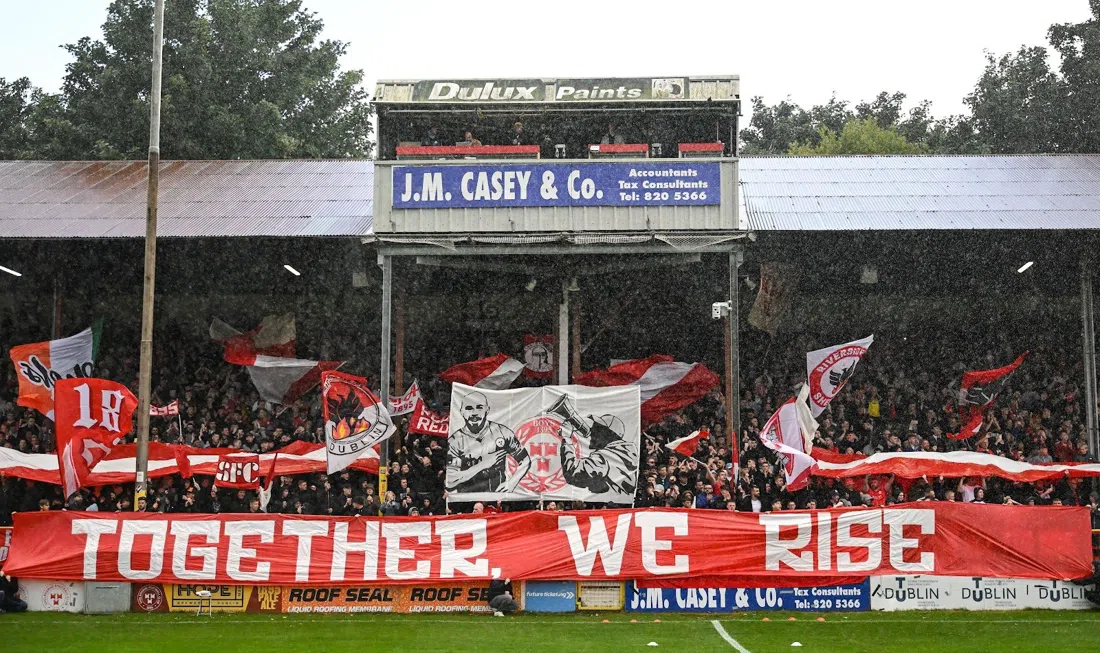
Bohemian FC — Dalymount Park (Phibsborough) carries real urgency in 2026: this is confirmed as Bohemians' final season at Dalymount before redevelopment begins, so anyone who wants to see the ground in its current form has a closing window, not an open-ended one. It's a supporter-owned club, tickets are sold through bohemianfc.ticketco.events, adult admission runs about €22 with concessions around €10, and while occasional historian-led tours have popped up around festival dates, there's no standing public tour to rely on. Check the club's own channels before you travel rather than assume one will be running. Book match tickets as early as the fixture list allows; this is not a ground where you can wander up on the day and expect a seat for a big fixture in its last season.
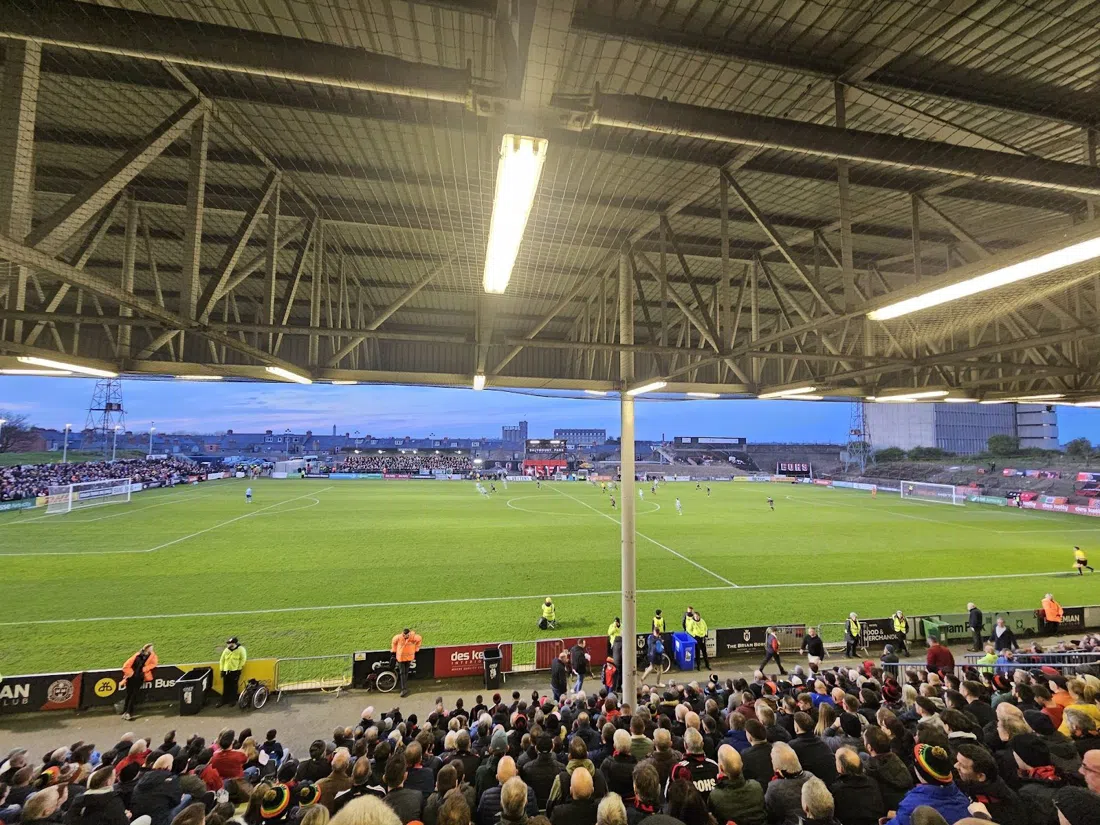
St James's Gate FC — Iveagh Grounds (Rialto, near the Guinness brewery) is the quiet, almost-lost thread in this story: Guinness's own works team, born from the brewery's river-barge trade with the docks, won the inaugural League of Ireland and FAI Cup in the 1920s, and nearly folded in 2022 before surviving on a public appeal. It's a community club with matches free to watch and no formal tour. Contact the club directly if you want to arrange a group visit, and go in understanding this is a fragile, volunteer-run institution rather than a polished attraction. It's worth the detour precisely because it isn't polished.

Croke Park and the indigenous game
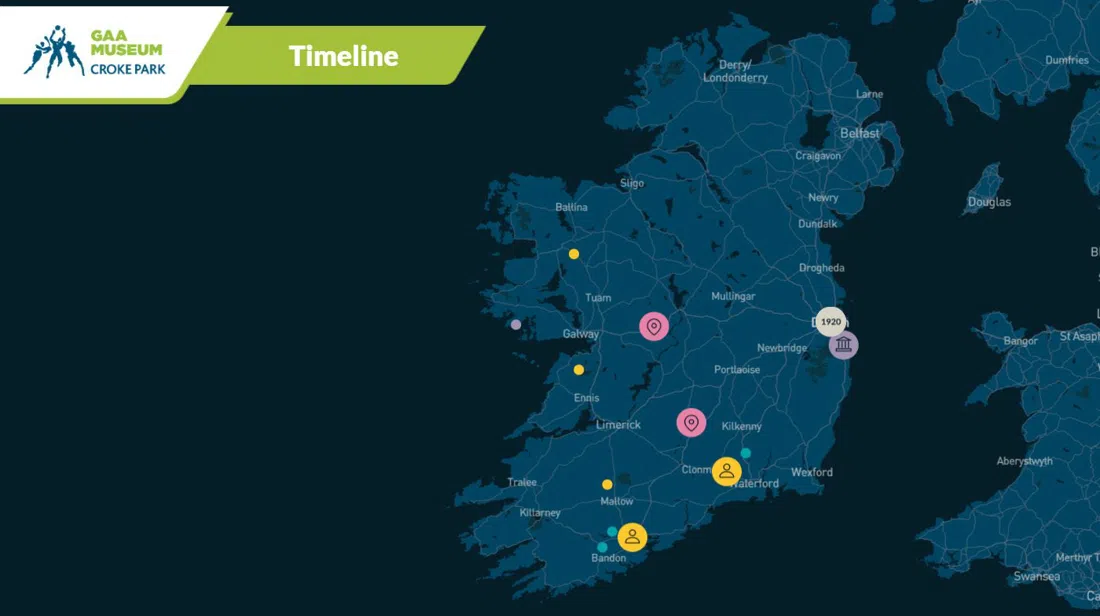
No account of Dublin's working-class sporting identity is honest without the other code entirely. The GAA Museum & Croke Park Stadium Tour (Drumcondra) is purpose-built for exactly the kind of visit this article is describing. Group and school tours are its bread and butter, with a trade/group pricing form on the site and under-18s required to be accompanied. Museum-only entry is around €10, with combined museum-and-stadium tours and the rooftop Skyline tour priced higher; check crokepark.ie for current tiers before you go, since match days restrict access significantly. The stadium opened in 1913, is named for Archbishop Croke, and was the site of Bloody Sunday in 1920. It's the anchor for the indigenous-game side of this legacy, standing in direct counterpoint to the soccer grounds down in Ringsend. Hours for 2026 are published as Monday to Saturday 9.30am to 5pm and Sunday 10am to 5pm, with restrictions on match days.
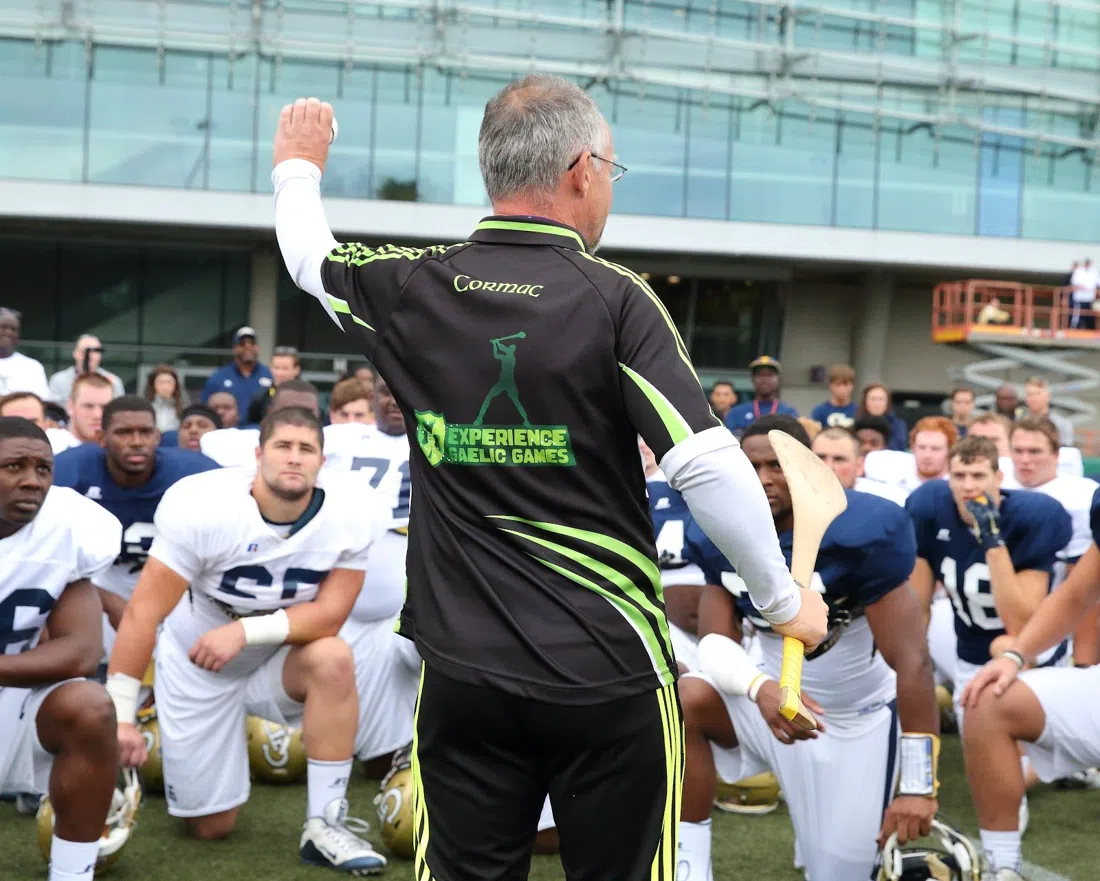
If you actually want to play rather than just look, Na Fianna GAA — Experience Gaelic Games (Glasnevin) runs sessions purpose-built for visitors and groups, typically priced €25 to €35 per person depending on the operator running it. It's the one properly tourist-ready way to swing a hurl or catch a Gaelic football rather than just admire the trophies, and it's worth booking a few days ahead if you're travelling with a group larger than four or five.
Boxing was the other working-class sport
Football wasn't the only sport dockworkers and their neighbours built. The National Stadium (Home of Irish Boxing) (South Circular Road area) still hosts 55-plus fight nights a year and lists a stadium tour on its own site; group bookings go through [email protected], and it's worth confirming the current tour cadence and price directly with the venue before you build a day around it, since cadence and pricing aren't fixed in the way a museum's would be.
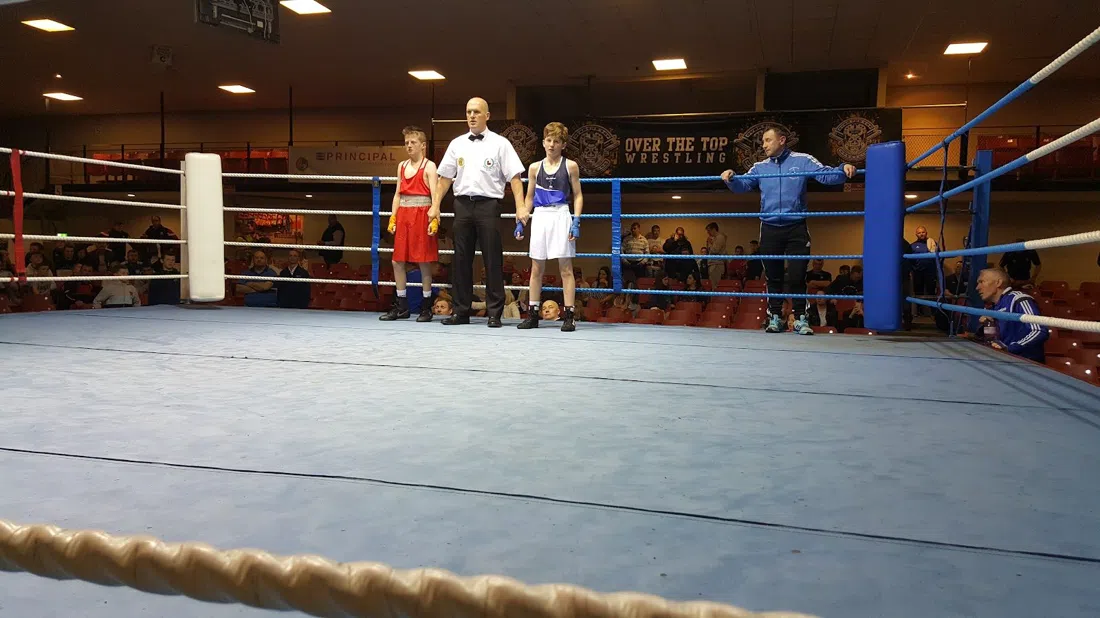
St Saviour's Olympic Boxing Academy (North Strand) is a working amateur club housed in a genuine landmark building, running continuously since the 1960s, but it is not a tourist attraction, and you shouldn't treat it as a drop-in stop. View it from outside, or arrange a respectful group visit directly with the club in advance; showing up expecting an open door during a training session is the wrong way to approach a working institution like this one.

Walking the story yourself
The most efficient way to absorb all of this in one go is In The Shadow Of Croker (starting north Dublin), a small-group walking tour that ties the 1913 Lockout, the GAA's founding story, and the soccer history of working-class north Dublin into a single narrative thread. It's the best framing device available for understanding how these strands connect rather than reading as isolated club histories. Tours typically run €15 to €20 per person, in line with Dublin walking tours of similar length; confirm the current group-size cap directly with the operator, since these small-group tours fill up fast.
For anyone building a full trip around this theme, check the Dublin guide for the wider city context, and sort accommodation early through Dublin hotel search if you're timing your stay around a specific fixture. Matchday weekends at Tallaght or Dalymount can tighten availability in the surrounding areas.
Getting there, cash, timing, and budget
Transport: Ringsend and Irishtown are a 20-minute walk or a short bus ride from the city centre; Tolka Park is reachable by bus from O'Connell Street in about 15 minutes; Tallaght Stadium sits at the end of the Luas Red Line, roughly 45 minutes from the centre; Dalymount and Croke Park are both a short bus or taxi ride from Phibsborough and Drumcondra respectively. None of these require a car, and parking near most grounds is limited on matchdays regardless.
Cash: Smaller clubs, Liffey Wanderers and St James's Gate, are exactly the kind of venue where a card reader isn't guaranteed at the gate. Carry some cash in euros for any of the community-club stops.
Timing: The League of Ireland season runs roughly February to November, with most matches on Friday or Saturday evenings. Check individual club sites for exact fixtures before travelling. The GAA Museum keeps the hours listed above but restricts access on GAA match days, so check Croke Park's own fixture list if you're planning a specific date in 2026.
Budget: A single museum or match ticket runs €10 to €25; the hosted Shamrock Rovers Experience and the Croke Park Skyline tour sit at the top end of the price range; a walking tour adds €15 to €20 per person. A full day covering two or three of these stops, plus transport and lunch, comfortably fits a mid-range city-break budget without needing to book more than a few days ahead, except for Dalymount this season and the Rovers Experience around European fixtures, both of which reward booking early.