 Nearby
The Dublin issue
Creative Quarter, Dublin: the city’s best small streets for coffee, design and a late pint
A walkable pocket south of Grafton Street where Dublin’s old rag-trade lanes now run on coffee, wine, jewellery, toasties and the sort of easy street life the centre can still manage when it remembers how.
By Róisín KavanaghTrad sessions and craft-beer rooms
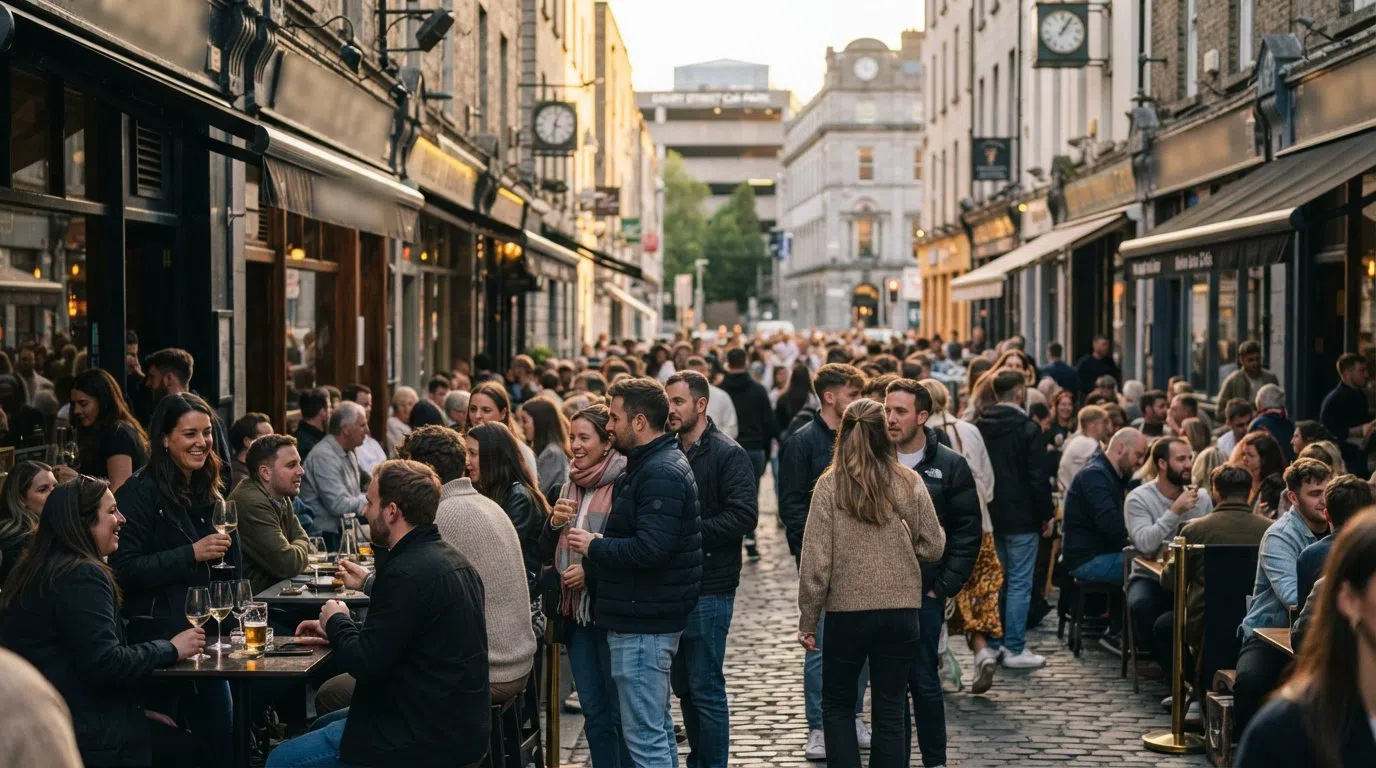
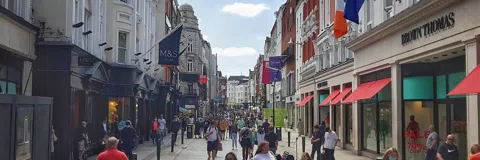
Six walkable blocks south of Grafton Street, Drury Street is doing what Dublin streets do best when nobody overplans them: it spills out. On a fine evening the kerb fills with coffee cups, cans and the sort of people who look like they’ve nowhere urgent to be, which is usually the point. The Creative Quarter isn’t an official district so much as a habit that caught on across South William Street, Drury Street, Exchequer Street, Fade Street, Wicklow Street and the lanes between them. It used to be the clothing and textile quarter; now the old workshop windows and cast-iron fronts hold coffee bars, natural-wine spots, jewellers, design shops and cocktail rooms. You come for one thing and end up doing three, which is the whole charm of the place.
What the Creative Quarter is known for
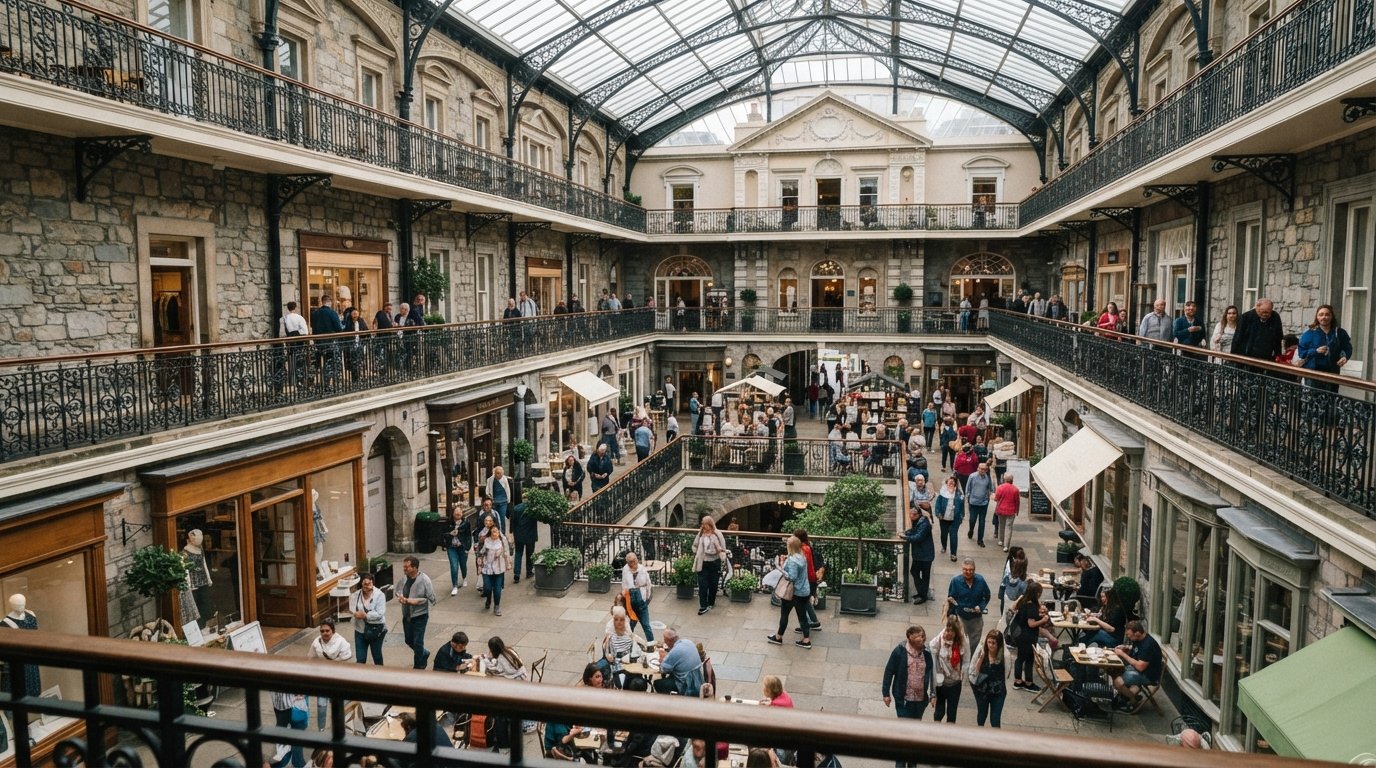
This is Dublin’s independent shopping and grazing district, the neat antidote to the chain-store stretch of Grafton Street just a block east. The area has two proper anchors, and both wear their history well. Powerscourt Townhouse Centre on South William Street is an 18th-century nobleman’s mansion turned browsing palace, with fashion, jewellery, antiques and cafés gathered under a glass-roofed courtyard. George’s Street Arcade, meanwhile, is the red-brick Victorian market opened in 1881 and rebuilt after a fire in 1892, now home to more than forty stalls selling vintage clothing, records, handmade jewellery and street food.
But if you want the street that tells the story cleanly, it’s Drury Street. It began life in the rag trade and appears in 17th-century records as Little Boater Lane. Now it’s partly pedestrianised, and that changed the atmosphere completely. Since the road was partly closed to traffic in 2021, the pavement has become the seating plan. On warm afternoons people sit on kerbs and window ledges with coffee and cans, and the city has even had to debate how to manage the crowds. Dublin can be a bit precious about its own good weather; here, at least, it knows enough to sit down and enjoy it. The soundtrack is chatter, not traffic, and that matters.
What makes the Creative Quarter feel different from the rest of the centre is the density of it. There are very few chains, and almost everything worth having is tucked into a frontage that looks ordinary until you’re standing in it. Half the good stuff is behind an unmarked door or up a staircase you’d walk past if you were in a hurry. Which is to say: don’t be in a hurry.
Plan your Dublin trip
Live prices from our booking partners.
Guests & rooms
Free cancellation on many rooms. We may earn a commission when you book.
Where to eat & drink
The Creative Quarter is built for grazing rather than grand dinners. That suits the streets. Nobody comes here to settle in for a three-hour blowout and a bottle parade; the rhythm is smaller, looser, more like a pub crawl with manners. Start with Kaph at 31 Drury Street, which has been the street’s specialty-coffee mainstay since 2013. It pours 3fe espresso across a slim ground-floor bar, with a quieter room upstairs if you want to sit out of the flow and pretend you’re getting work done. It’s the sort of café that earns its keep by not making a song and dance about itself.
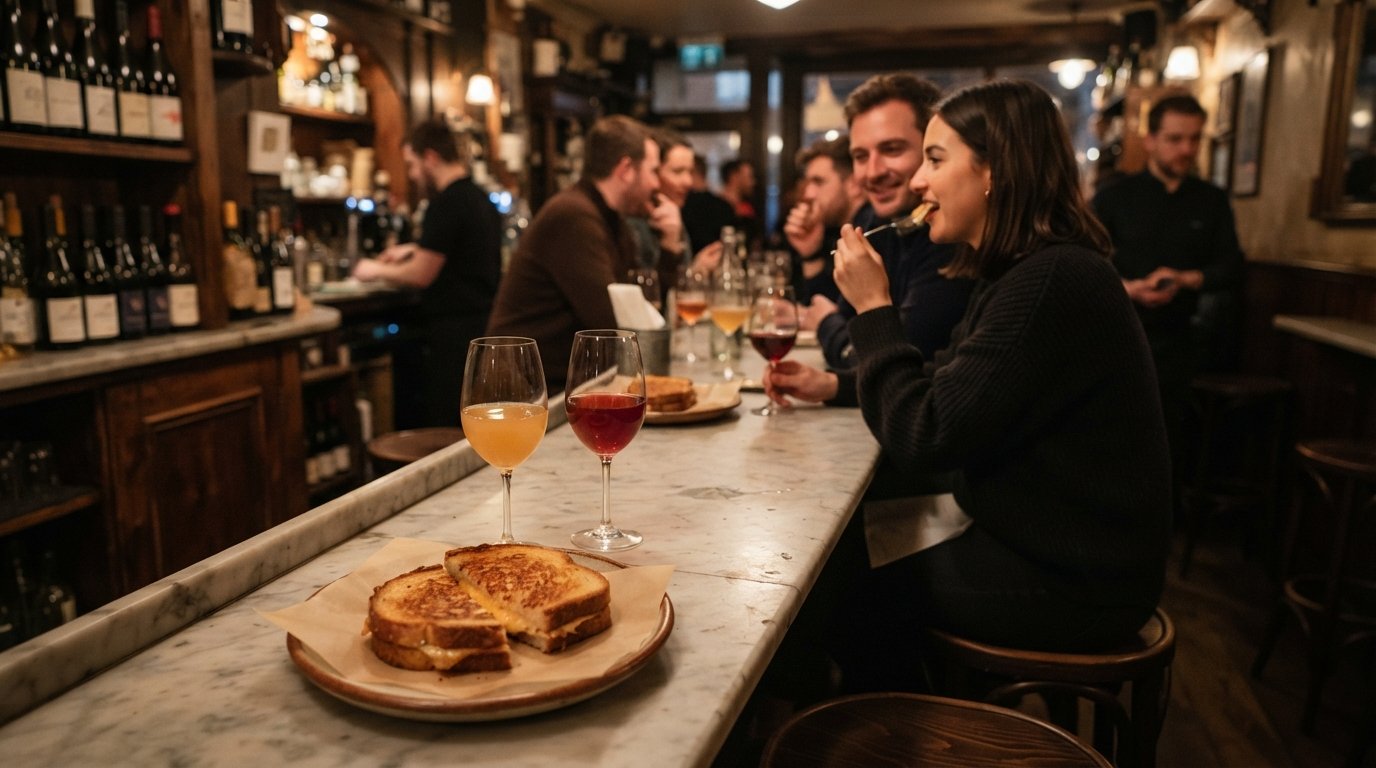
A few doors away, Loose Canon at 29 Drury Street is the one people cross town for. It’s tiny, all marble counters and a handful of high stools, and by day it’s famous for molten cheese toasties; by night it turns to charcuterie and cheese boards with natural wine. Condé Nast Traveler once ranked it among the world’s best bars, which is the kind of thing that can go to a place’s head. Happily, this one still feels like a proper little room rather than a trophy cabinet.
For a proper sit-down, Drury Buildings at 52–55 Drury Street does Irish riffs on Italian food in a handsome room with a leafy back garden. It’s the sort of place that understands the value of an outdoor table in Dublin, where sunshine is treated like a pop-up event. Across on Exchequer Street, Fallon & Byrne folds a gourmet food hall, a bright first-floor dining room and an atmospheric basement wine cellar into one heritage building. It’s a good all-rounder if you want to shop, eat and stare at bottles for a while before deciding anything.
Fade Street Social on Fade Street, chef Dylan McGrath’s woodfire-and-tapas spot, came through examinership under new owners in late 2025 and is still trading. That’s the useful bit of information; the rest is mood, and the mood is a room that knows it has been written about before. It’s still in the mix, but the quarter has plenty of places that don’t need a celebrity name hanging over them to be worth your time.
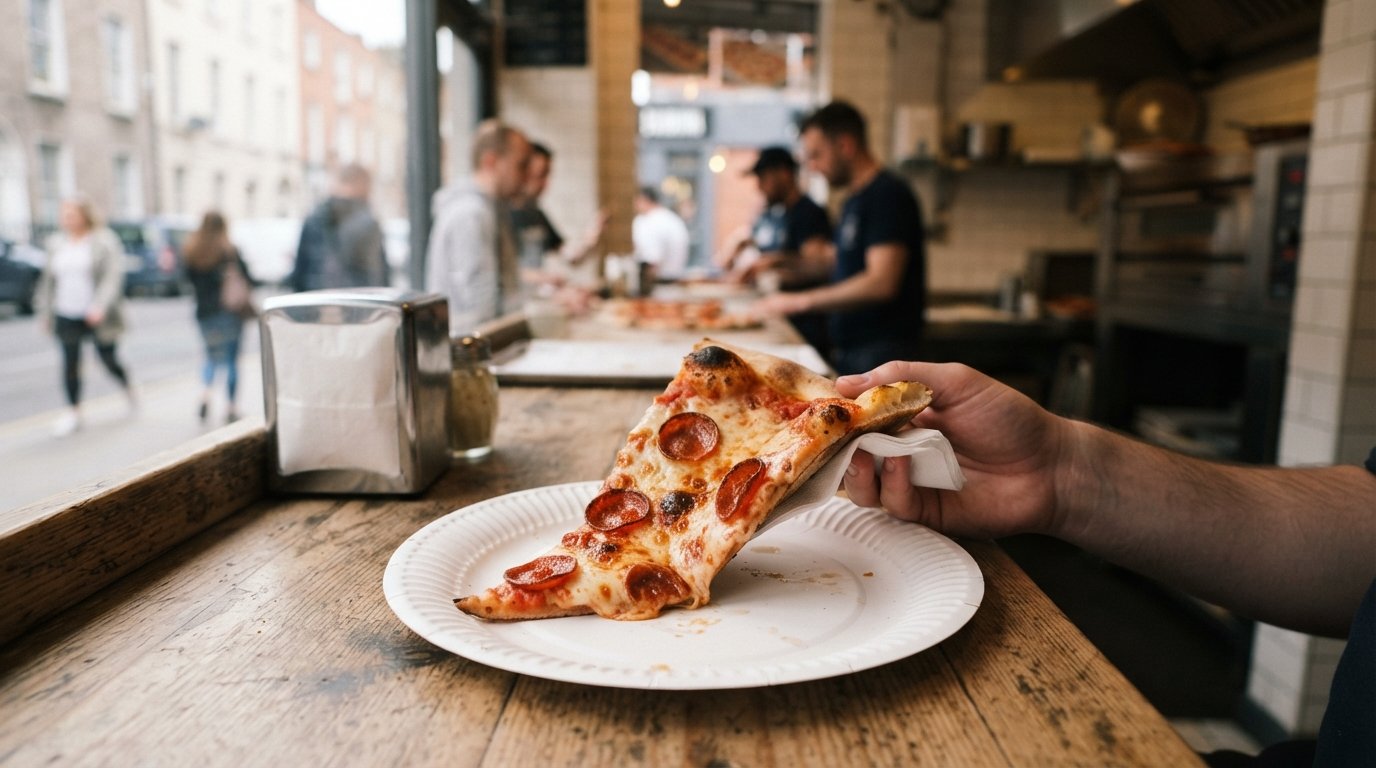
Then there’s The Pepper Pot, up on the balcony inside Powerscourt Townhouse Centre. It’s a slow, homely tearoom with in-house baking and Irish-roasted coffee, the kind of place you slip into when the pace outside gets a bit too self-conscious. And if you want a fast, excellent slice without making a whole thing of it, Bambino is a two-minute walk away on Stephen Street Lower, serving New York-style pizza by the slice. That’s a useful correction to all the small-plate behaviour around here.
Going out
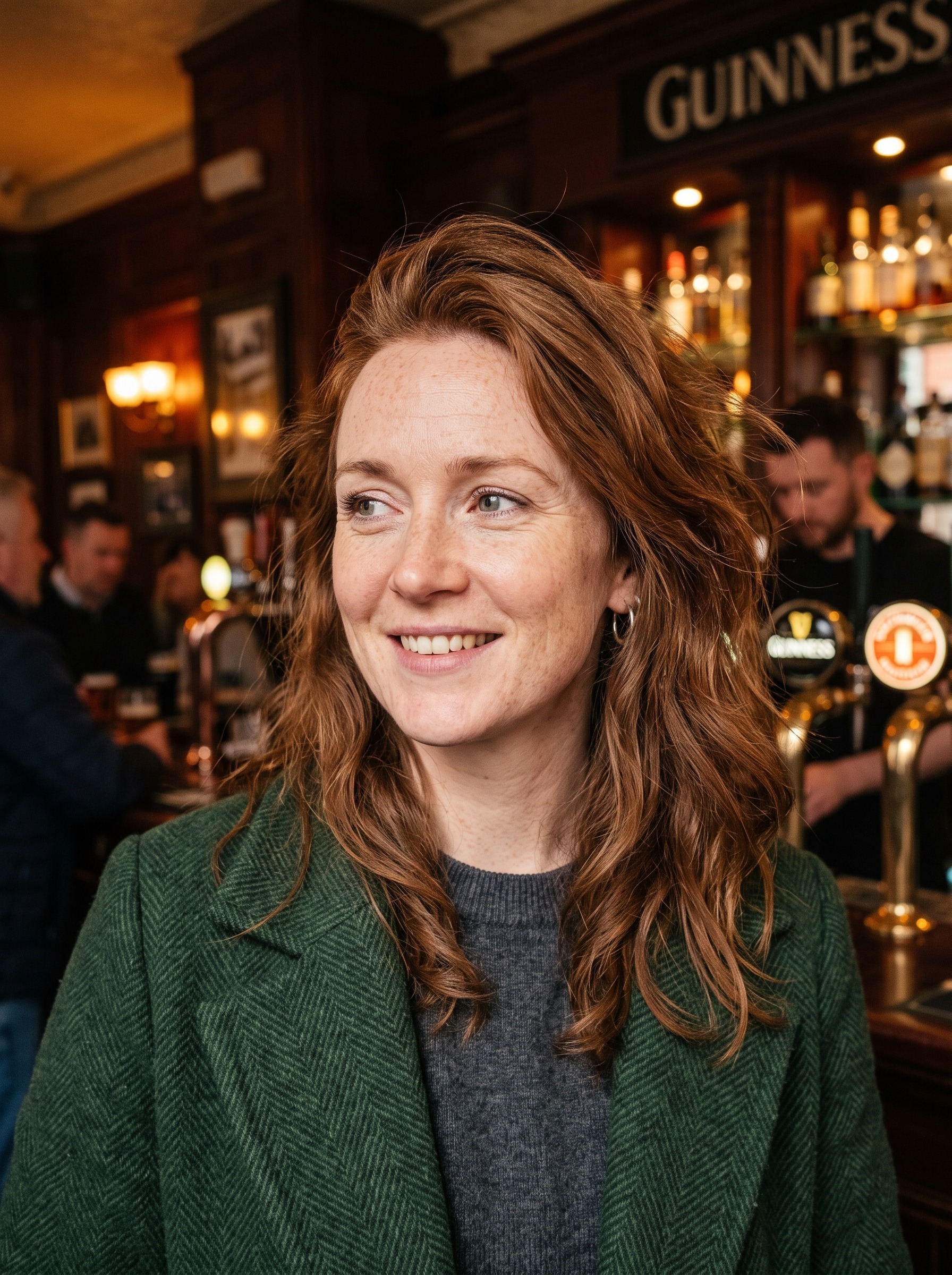
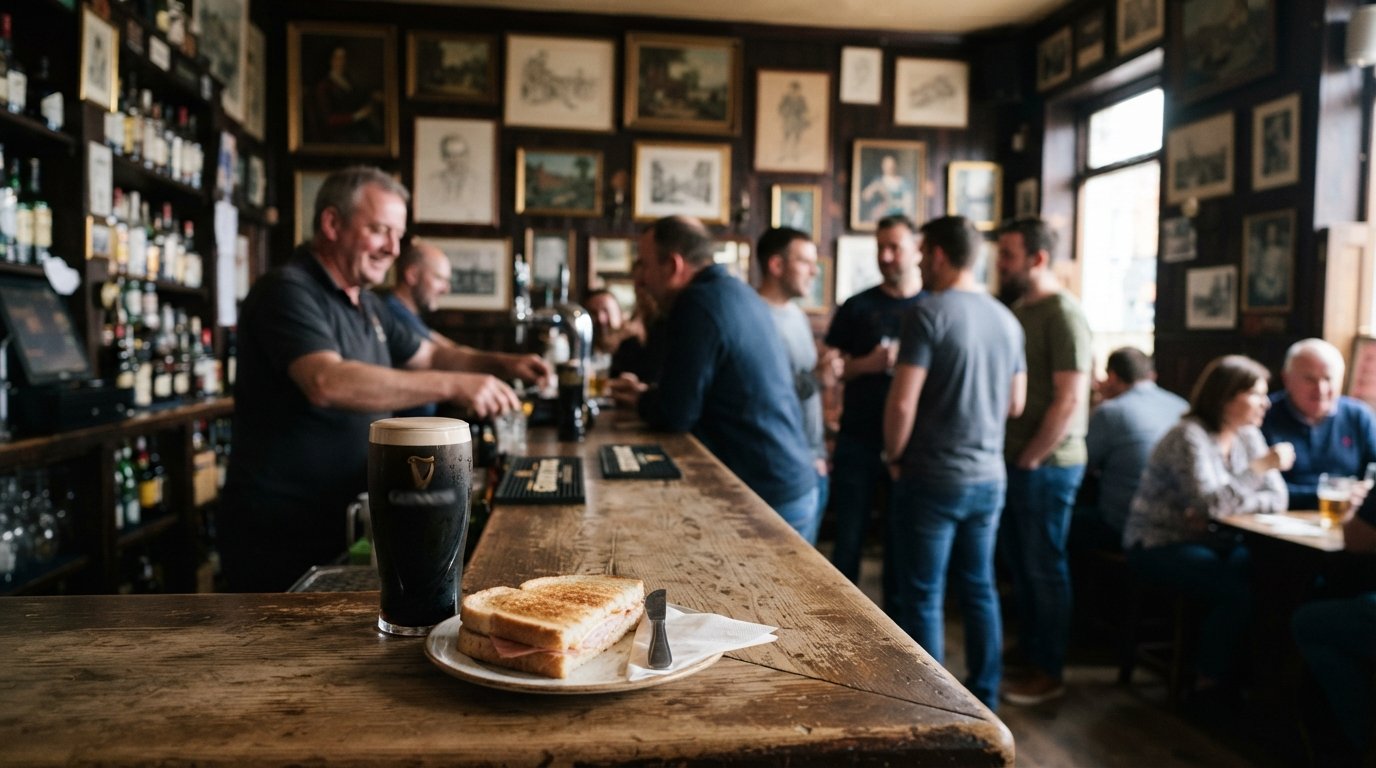
Nights here run to cocktails and character pubs rather than superclubs, which is how the city should be more often, frankly. The essential stop is Grogan’s Castle Lounge at 15 South William Street. No television, no music, walls covered in a constantly changing collection of paintings for sale, and a history that goes back to 1899. In the 1970s it became a writers’ and artists’ hangout when the McDaid’s crowd, led by the legendary barman Paddy O’Brien, decamped the short distance here. You order a pint of stout and a ham-and-cheese toastie — ask for the “special” and you won’t be steered wrong. If a pub can be both ordinary and iconic without getting pompous about it, this is the model.
If you want your drink with a bit of theatre, Peruke & Periwig on Dawson Street pours music-themed cocktails across three floors of a Georgian house dressed in velvet and antique portraits. The menu is grouped by genres like Rock, Soul and Classical, which is either charming or a bit much depending on your tolerance for concept bars; the drinks do the talking either way. The Blind Pig, hidden behind an unmarked door off Suffolk Street, is a reservation-only speakeasy. You get an entry code before you arrive and press a pig’s-head buzzer at the bottom of the stairs. That’s the sort of thing that can feel silly in the wrong hands, but at least it commits.
And then there’s Pygmalion inside Powerscourt, a café by day that turns into a bar and small club by night, with a huge terrace on Coppinger Row that’s one of the biggest and busiest outdoor drinking spots in town. On a dry evening, though, half the neighbourhood simply drinks standing on Drury Street itself. No fuss, no velvet rope, no need to pretend you’ve booked ahead.
Things to do
The main activity here is unhurried browsing, and the quarter is dense enough that you can fill an afternoon inside a few hundred metres without feeling like you’ve been on a guided tour of your own life. Start at George’s Street Arcade for vintage clothing, vinyl and handmade jewellery, then work up Drury Street and South William Street ducking into independents as they catch your eye. The pleasure is in the drift, not the plan.
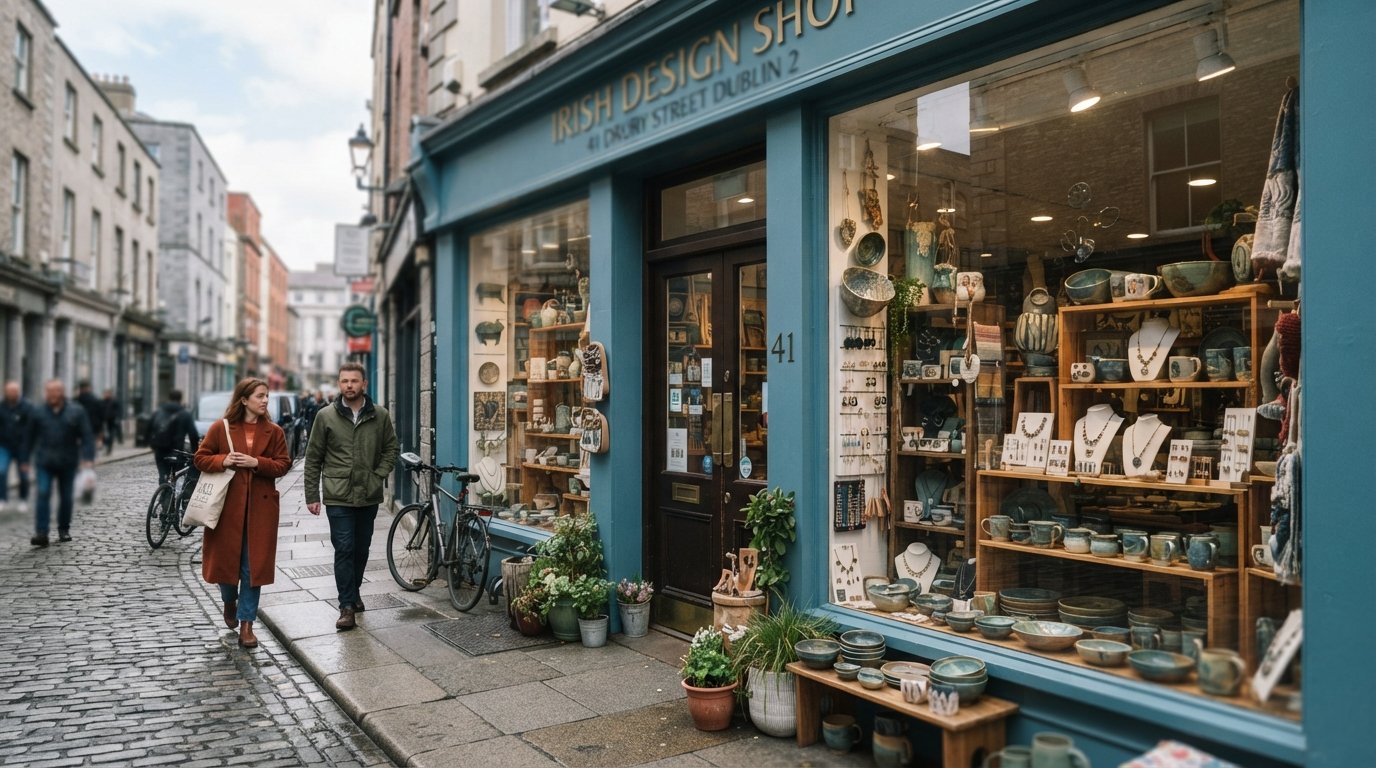
One of the best stops is the Irish Design Shop at 41 Drury Street, founded by two designers in 2008. It sells Irish-made ceramics, textiles and jewellery, and some of the pieces are made in the metalwork studio directly upstairs. The weekend workshops are a proper draw, especially for couples making their own wedding bands. That’s a nice Dublin detail: the ring may be on your finger, but the making is still upstairs.
Next door, Industry & Co is a Scandinavian-leaning home and lifestyle store with a design café tucked inside. Round the corner at 30 Drury Street, Cocoa Atelier hand-makes chocolates, macarons and truffles. If you’re the sort of person who likes to buy a box of truffles and then carry it around for an hour before eating one, this is your neighbourhood. And when you need a photograph to prove you were here, the umbrella canopy on Anne’s Lane — a suspended run of colourful umbrellas off South Anne Street, refreshed and still up in 2026 — is a short stroll east. It’s a bit of colour in a city that can be grey when it wants to be, and yes, people do stop for it.
Don’t miss in Creative Quarter
George's Street Arcade, a Victorian indoor market
Powerscourt Centre, a boutique shopping center in a Georgian mansion
The excellent coffee shops on Drury Street
Shopping
Shopping is the whole point of the Creative Quarter, and it’s aimed squarely at people who want the independent alternative to Grafton Street’s chains. The two grand indoor hubs do a lot of the heavy lifting. Powerscourt Townhouse Centre on South William Street packs fashion boutiques, jewellery, antiques, art and hair-and-beauty into a Georgian mansion around a glass-roofed courtyard. George’s Street Arcade covers the vintage-and-market end with clothing, records and handmade pieces from independent traders. Between them, they give the neighbourhood its range: polished one minute, rummage-y the next.
Along Drury Street and its offshoots you’ll find the design-led standalones — the Irish Design Shop and Industry & Co for Irish and Scandinavian homeware and jewellery, plus small perfumeries, hat-makers, print sellers and confectioners. It’s not a place for big-brand bargains, and nobody should be surprised by that. Prices reflect the central location and the maker-led stock. Come here for one-of-a-kind Irish design, vintage finds and gifts you won’t see on the high street, and give yourself time to poke into the arcades and up the staircases where the best small shops hide.
The old bones of the quarter help. These are streets that once served workshops and warehouses, and they still feel built for people who like to look closely. The windows are tall, the shopfronts are cast iron, and the best things are often a floor above the street. That’s the sort of shopping Dublin does well when it remembers it has a city centre worth wandering.
Where to stay in the Creative Quarter
Staying here means everything on foot — Grafton Street, Trinity, Dublin Castle, the National Museum and Temple Bar are all a five-to-ten-minute walk — and you’re spared the Temple Bar racket. It’s boutique-hotel and townhouse territory rather than big-box chains, so expect central, design-conscious rooms at a central-Dublin price. Book on or right beside South William Street and Drury Street and you’re in the middle of the coffee-and-wine action; the trade-off is noise, because Drury Street is lively and loud on warm weekend evenings. If you’d rather sleep, aim a block or two off the busiest lanes — toward Exchequer Street, Wicklow Street or up around Aungier Street — and you’ll still be minutes from everything.
The area’s live hotels render directly below.
Hotels in Creative Quarter
Our best-rated stays in this neighbourhood. Prices are approximate “from” rates — confirmed at the provider when you continue. We may earn a commission if you book through our partners — at no extra cost to you.
Nearby Nearby
 Nearby
 Nearby
 Nearby
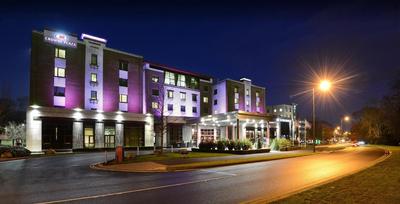 Nearby
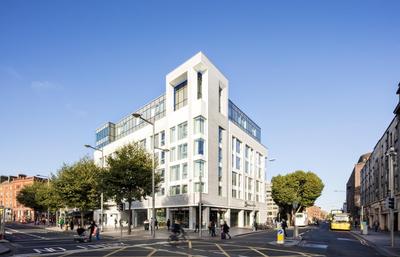 Nearby
Dublin
Holiday Inn Express Dublin City Centre by IHG
8.8· 7,828 reviews
approx. from£210 / nightSee prices
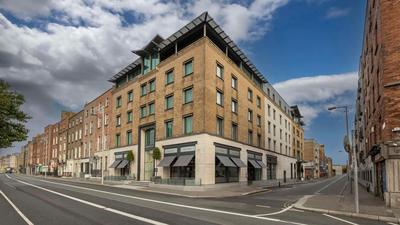 Nearby
Dublin
The Morrison Dublin, Curio Collection by Hilton
9.2· 2,343 reviews
approx. from£291 / nightSee prices
Getting around
The Creative Quarter is bang in the walkable centre of the southside, and you almost never need transport within it. It’s five minutes on foot to Grafton Street, Trinity College and Dublin Castle. The nearest tram is the Luas Green Line at St Stephen’s Green, about five minutes’ walk, running south to Ranelagh and Sandyford. The Luas Red Line and the DART stations at Tara Street and Pearse are a short walk north and east for the coast and day trips like Howth or Dún Laoghaire. Plenty of Dublin Bus routes stop along nearby George’s Street and Dame Street.
For the airport, the Airlink 747 and Aircoach coaches pick up in the city centre nearby and take roughly 30–45 minutes to Dublin Airport depending on traffic; a taxi runs about the same. Grab a Leap Card for the cheapest fares across buses, Luas and DART. Honestly, though, in this pocket your feet do the work.
Gallery
Creative Quarter in pictures
Creative Quarter — your questions
Where exactly is Dublin’s Creative Quarter?
It’s an unofficial district in the south city centre, just west of Grafton Street, spread across South William Street, Drury Street, Exchequer Street, Fade Street and the lanes between them, roughly between George’s Street and St Stephen’s Green. Nothing signs the boundary; you know you’ve arrived because the shops get smaller, better and more independent.
Is the Creative Quarter a good area to stay in Dublin?
Yes, if you want to be central and walk everywhere without the noise and tourist prices of Temple Bar. You’re minutes from Grafton Street, Trinity and Dublin Castle, and right beside the city’s best independent coffee, wine and shopping. It’s boutique rather than budget, and rooms over Drury Street can be loud on weekend nights, so choose a side street if you’re a light sleeper.
What’s the one thing not to miss in the Creative Quarter?
Grogan’s Castle Lounge on South William Street for a pint and its famous ham-and-cheese toastie — a no-TV, art-hung pub that’s been pulling in Dublin’s writers and artists since the 1970s. Pair it with a wander down pedestrianised Drury Street for coffee at Kaph and a wine toastie at Loose Canon.
Is the Creative Quarter good for shopping?
Very. It’s one of Dublin’s best areas for independent shopping, with Powerscourt Townhouse Centre, George’s Street Arcade, the Irish Design Shop and plenty of small makers, vintage stalls and design-led stores within a short walk.