
Dublin
Dublin is defined by its contradictions.
Guests & rooms
The Dublin guide
An insider’s read on Dublin
DDublin is defined by its contradictions.
Dublin's identity is shaped by centuries of rebellion, literary genius, and rapid economic transformation. From its origins as a Viking settlement to its status as the second city of the British Empire, Dublin has always punched above its weight. The scars of the 1916 Rising are still visible on O'Connell Street, yet the city has moved forward, transforming from a conservative capital into a progressive, multicultural European hub. It is a place where conversation is treated as an art form, and where the ghost of James Joyce is as present as the multinational tech giants.

PLATE IDublin, Ireland

Where to base yourself
The neighborhoods
01
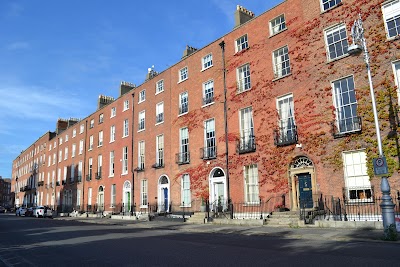
Georgian Quarter
For Travelers seeking architectural elegance and quiet nights. The trade-off is that dining options are upscale and limited compared to livelier districts.
Stately, quiet, and lined with red-brick townhouses, grand doorways, and manicured parks.
Where to stay — High-end boutique hotels and historic guesthouses around Merrion Square and Fitzwilliam Square.
02
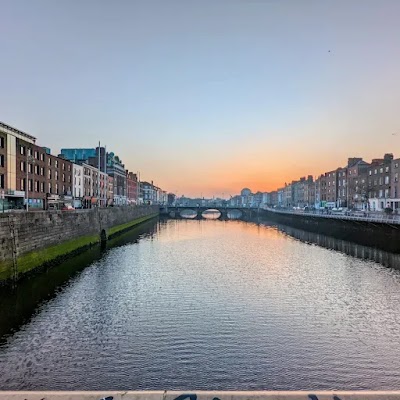
Temple Bar
For First-time visitors looking for live music and nightlife, though the trade-off is constant noise, crowds, and inflated prices.
A tourist-heavy cultural quarter with cobbled streets, street performers, and highly priced pubs.
Where to stay — Avoid staying here if you value quiet sleep, but there are central hotels if you want to be in the center of the action.
03
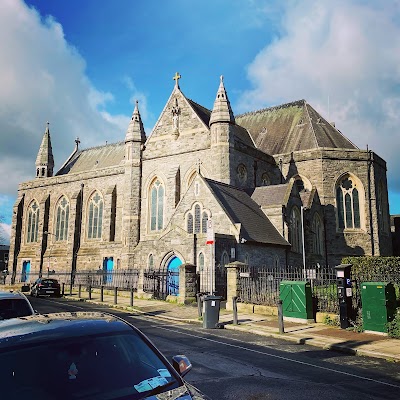
Stoneybatter
For Food lovers and those wanting a local, bohemian vibe. The trade-off is that it is a 25-minute walk from the city center.
A hip, residential enclave on the Northside with a strong community feel and independent businesses.
Where to stay — Mainly residential rentals and guesthouses.
04
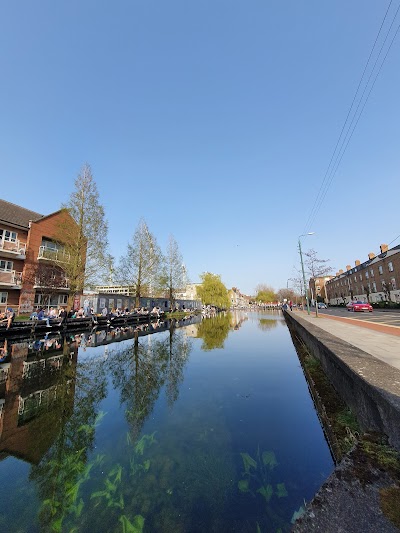
Portobello
For Travelers who enjoy brunch spots, craft beer, and waterside walks. The trade-off is that transit connections are mostly limited to buses.
A leafy, canal-side neighborhood popular with young professionals and creatives.
Where to stay — Boutique guesthouses and stylish residential rentals.
05
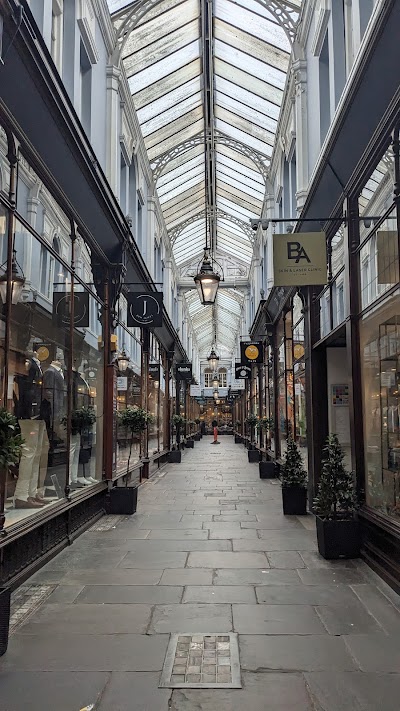
Creative Quarter
For Shoppers and foodies who want to be in the center of the action without the tourist-trap feel of Temple Bar.
Centered around George's Street and Drury Street, filled with independent boutiques, design shops, and excellent restaurants.
Where to stay — Trendy mid-range hotels and stylish apartments.
06
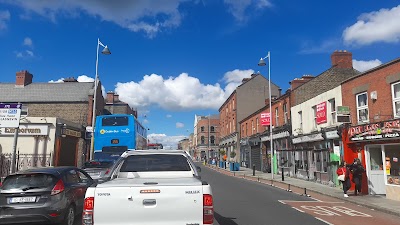
Phibsborough
For Budget-conscious travelers seeking an authentic, unpolished Dublin experience. The trade-off is that some areas can feel run-down.
A gritty, artistic neighborhood on the Northside with a mix of Victorian terraces and brutalist architecture.
Where to stay — Budget hotels and guesthouses.
07
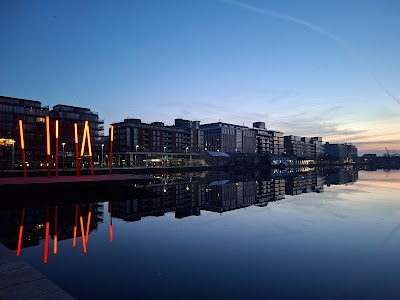
Docklands
For Business travelers and architecture enthusiasts. The trade-off is that it lacks the historic character of the rest of the city.
A modern, glass-and-steel district home to global tech giants, often called the Silicon Docks.
Where to stay — Sleek, modern business hotels.
08
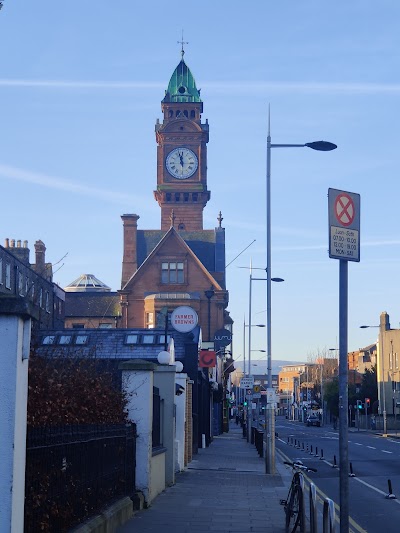
Rathmines
For Travelers looking for great casual dining and indie cinema. The trade-off is that it is slightly south of the city center.
A diverse, lively suburb with a mix of students, young professionals, and long-term locals.
Where to stay — Mid-range guesthouses and serviced apartments.
09
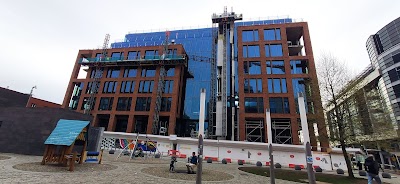
Smithfield
For Independent travelers who appreciate indie cinemas, whiskey history, and spacious plazas. The trade-off is that it can feel quiet on weekday mornings.
A historic market square transformed into a cultural hub with industrial-chic architecture.
Where to stay — Modern hostels and mid-range hotels.
Book direct
Book a hotel in Dublin
Loading live availability and real-time prices…
Where to eat
Dining
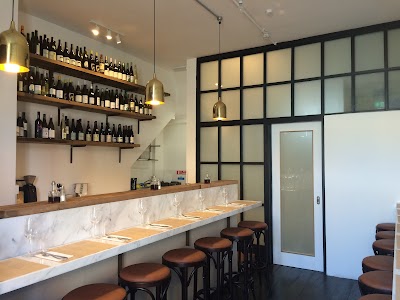
Fish Shop
€€Smithfield
It serves the city's most refined take on fish and chips alongside an exceptional natural wine list in a minimalist space.
Signature — Beer-battered catch of the day with hand-cut chips
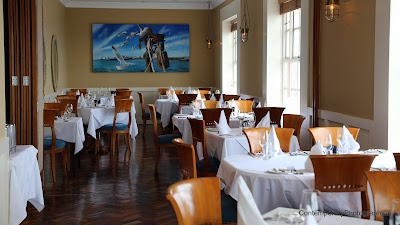
King Sitric
€€€Howth
Located right on the harbor in the fishing village of Howth, this institution has been serving premium local seafood for decades.
Signature — Howth Dublin Bay prawns
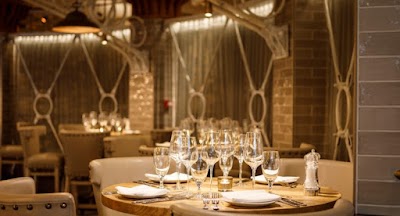
Sole Seafood & Grill
€€€€South William Street
A glamorous, high-end dining room that sources its seafood directly from Irish waters.
Signature — The Seafood Tower
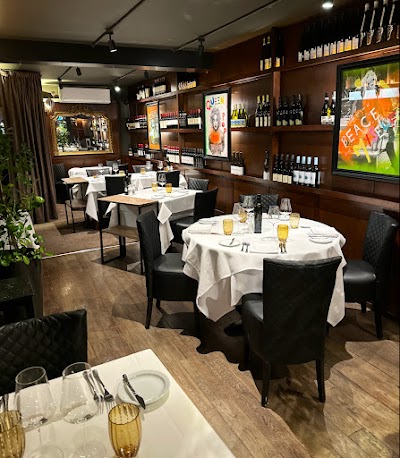
Rosa Madre
€€€€Temple Bar
An authentic Italian seafood restaurant known for its lively atmosphere and exceptionally fresh fish, often filleted tableside.
Signature — Salt-crusted sea bass
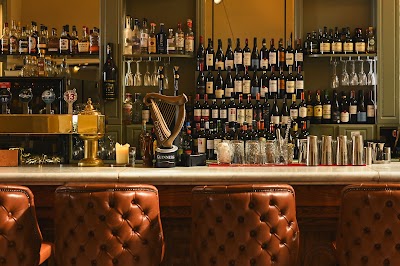
Matt The Thresher
€€€Georgian Quarter
A classic, wood-paneled seafood bar with a relaxed atmosphere and a great selection of Irish oysters.
Signature — Carlingford Lough oysters

Michael's
€€€Mount Merrion
A neighborhood favorite famous for its generous, high-quality seafood platters and warm hospitality.
Signature — The seafood sharing platter
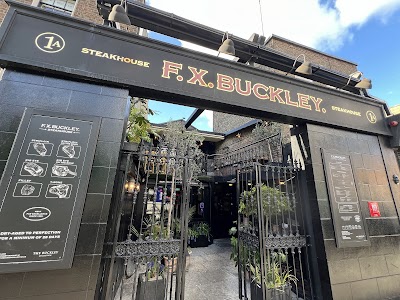
FX Buckley
€€€Crow Street
Part of a legendary family of butchers, this steakhouse serves some of the most consistently excellent dry-aged beef in the city.
Signature — Dry-aged ribeye on the bone
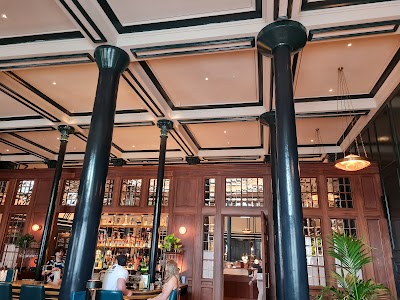
Hawksmoor
€€€€College Green
Housed in a magnificent former bank building, it combines grand architecture with perfectly cooked steaks and classic cocktails.
Signature — T-bone steak cooked over charcoal
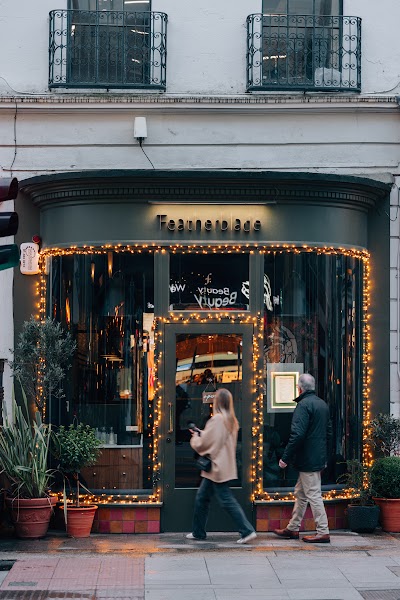
Featherblade
€€Dawson Street
A sleek, fast-paced restaurant focusing on alternative, high-quality cuts of beef at very reasonable prices.
Signature — The Featherblade steak
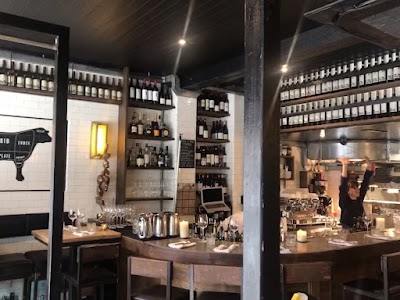
The Butcher Grill
€€€Ranelagh
An intimate, neighborhood steakhouse with a wood-fired grill and a great selection of international cuts.
Signature — Chateaubriand for two
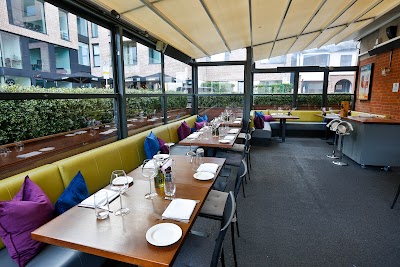
Asador
€€€Haddington Road
Specializes in cooking premium Irish meats over oak and charcoal fires, giving everything a distinct smoky flavor.
Signature — Asador burger with smoked cheese
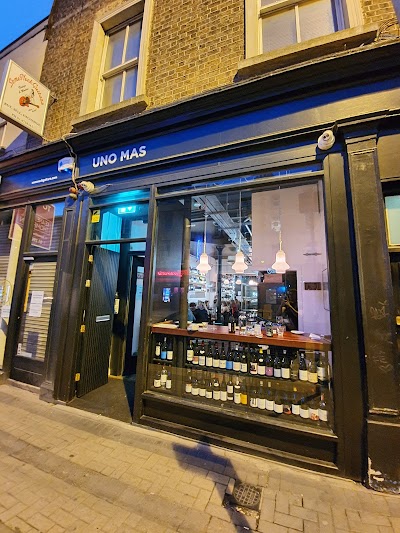
Uno Mas
€€€Aungier Street
A tiny, highly popular Spanish-influenced restaurant serving some of the most precise and flavorful small plates in the city.
Signature — Salt cod croquetas
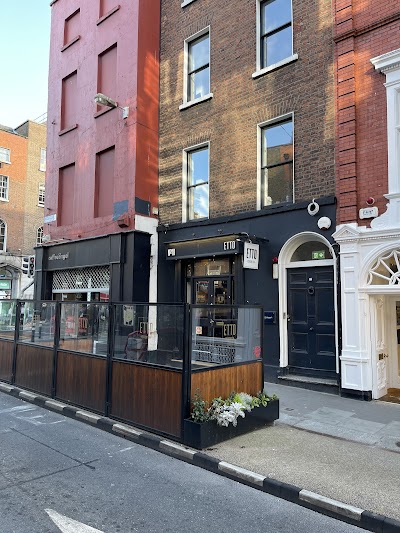
Etto
€€€Merrion Row
An award-winning, intimate wine bar with a daily-changing menu of Italian-influenced small plates.
Signature — Red wine prunes with vanilla ice cream
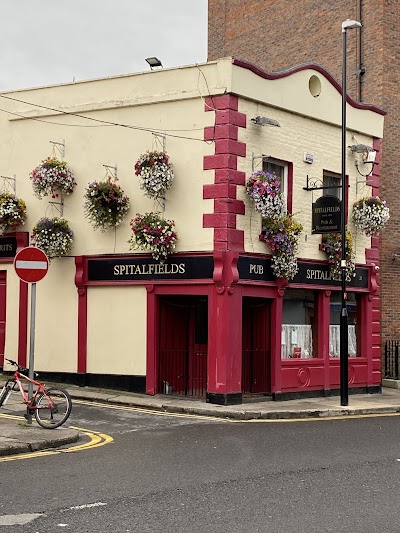
Spitalfields
€€€The Coombe
A historic pub transformed into a refined restaurant serving comforting, high-end versions of classic Irish and British dishes.
Signature — Cock-a-leekie pie for two
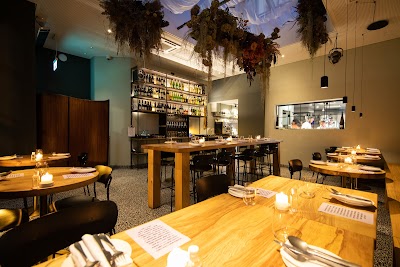
Library Street
€€€Setanta Place
An elegant, modern restaurant focusing on sharing plates made with seasonal, locally sourced Irish produce.
Signature — Roasted potato flatbread with lardo
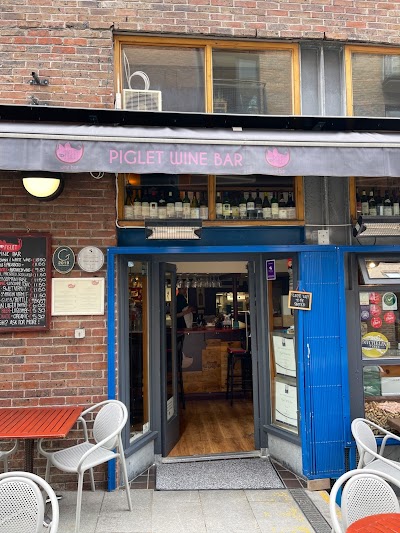
Piglet Wine Bar
€€Cow's Lane
A cozy, quirky wine bar in Temple Bar that avoids the tourist traps, offering great European wines and rustic small plates.
Signature — Slow-cooked octopus
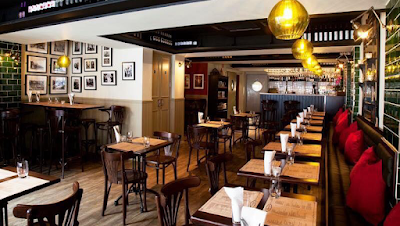
Tapas de Lola
€€Wexford Street
A lively, authentic Spanish tapas bar with a bustling atmosphere and a wide selection of classic dishes.
Signature — Patatas bravas
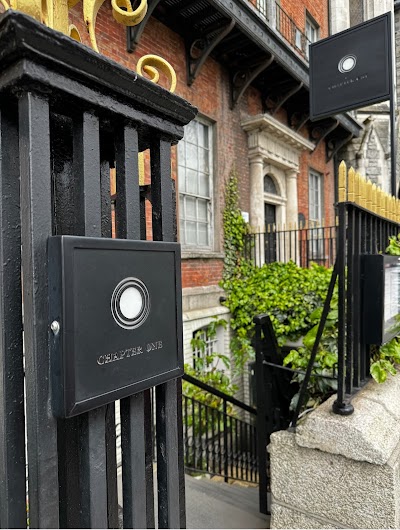
Chapter One by Mickael Viljanen
€€€€Parnell Square
Widely considered the pinnacle of fine dining in Ireland, combining classical French techniques with modern artistry in a stylish basement space.
Signature — The multi-course seasonal tasting menu
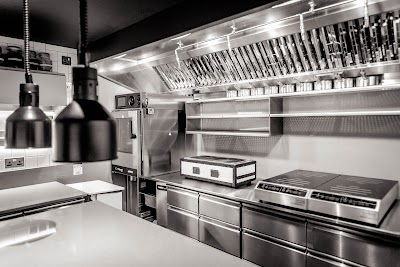
Liath
€€€€Blackrock Market
An intimate, highly exclusive dining room focusing on sensory exploration through a meticulously crafted tasting menu.
Signature — The seasonal tasting menu
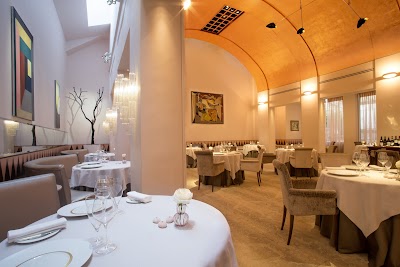
Restaurant Patrick Guilbaud
€€€€Merrion Street
Ireland's longest-running fine dining institution, offering impeccable classical French cuisine and world-class service.
Signature — Challans duck for two
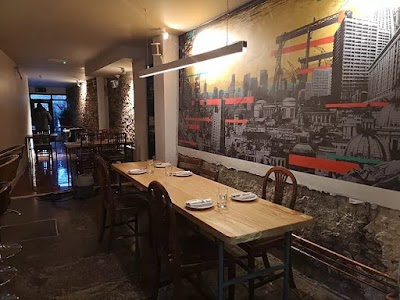
Variety Jones
€€€€Thomas Street
A relaxed, hearth-led restaurant where most dishes are cooked over an open fire, offering an inventive tasting menu.
Signature — Hearth-roasted seasonal vegetables
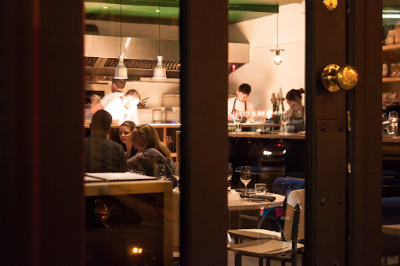
Bastible
€€€€South Circular Road
A neighborhood restaurant that has achieved high acclaim for its creative, modern Irish tasting menus in a relaxed setting.
Signature — Sourdough bread with cultured butter
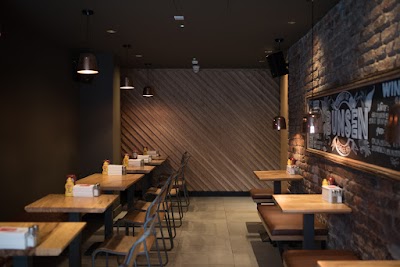
Bunsen
€Wexford Street
They do one thing and do it perfectly: high-quality, customizable burgers served on a business-card-sized menu.
Signature — Double cheeseburger with hand-cut fries
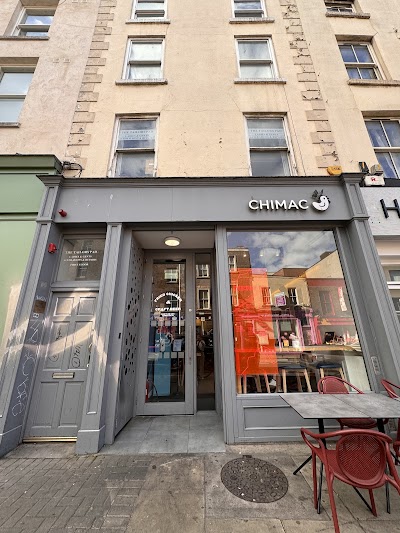
Chimac
€Aungier Street
Brings Korean fried chicken to Dublin with high-quality Irish poultry and creative, spicy sauces.
Signature — The Kimchi Cheese burger
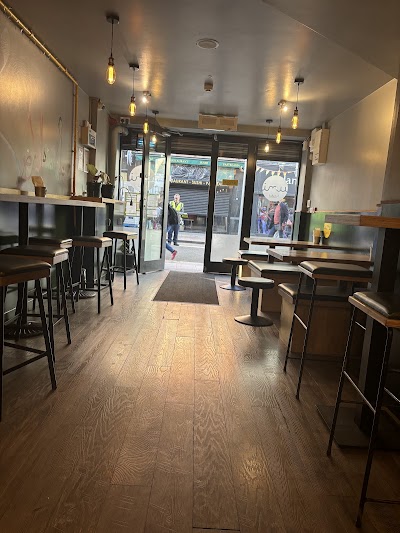
Umi Falafel
€Dame Street
A reliable, highly popular spot for fresh, affordable, and delicious Middle Eastern falafel wraps and salads.
Signature — The Palestinian falafel wrap
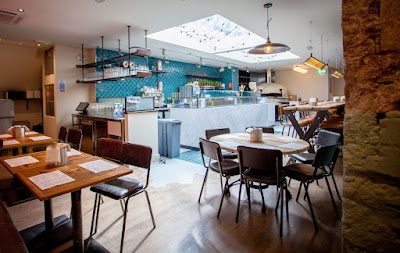
Sano Pizza
€Temple Bar
Offers authentic, Neapolitan-style sourdough pizzas at incredibly low prices in a fast-paced environment.
Signature — Margherita pizza
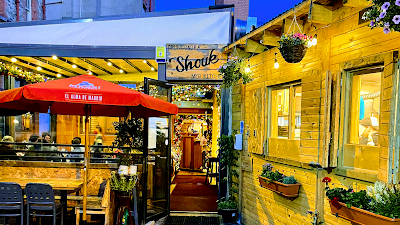
Shouk
€Drumcondra
A vibrant Middle Eastern restaurant serving fantastic, affordable sharing platters, pitas, and dips.
Signature — The Middle Eastern feast platter
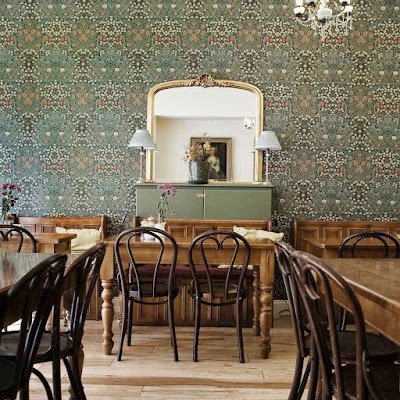
Cornucopia
€Wicklow Street
A Dublin institution operating since the 1980s, serving hearty, comforting vegetarian and vegan home-style cooking.
Signature — The daily hot pot with organic salads
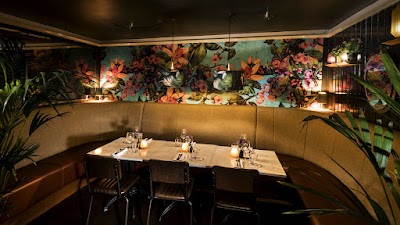
Glas
€€€Chatham Street
An upscale, creative vegetarian and vegan restaurant that elevates plant-based dining with sophisticated presentation.
Signature — Smoked king oyster mushroom scallop
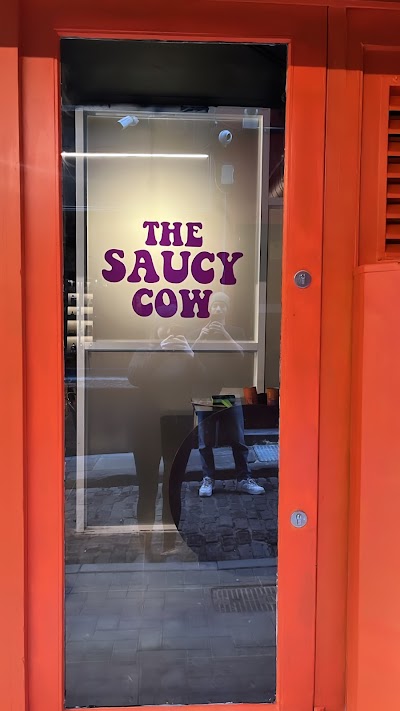
The Saucy Cow
€Temple Bar
A fun, indulgent vegan fast-food spot serving up messy burgers, loaded fries, and wraps.
Signature — The Salt & Chilli loaded fries
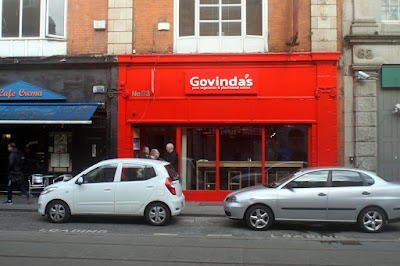
Govindas
€Aungier Street
Run by the Hare Krishna community, it offers massive, incredibly cheap plates of nourishing vegetarian curries and subjis.
Signature — The Govinda's Special plate
After dark
Nightlife

Index
Arran Quay
The city's premier venue for electronic music, hosting international techno and house DJs in an industrial space.
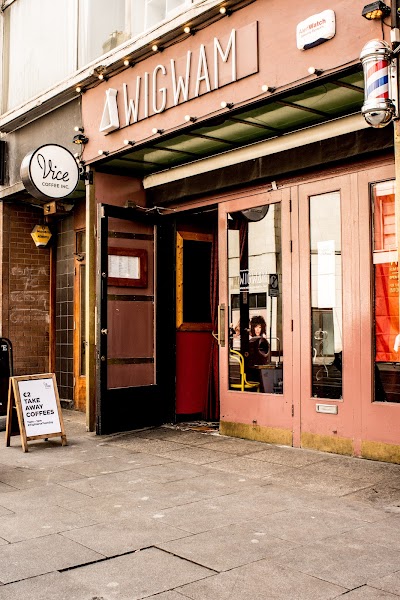
Wigwam
Abbey Street
A multi-floor venue that hosts excellent local DJs, drag shows, and electronic music nights, alongside a great selection of rum.
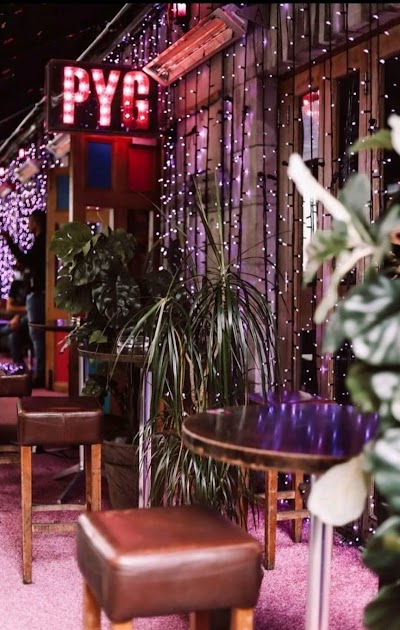
Pygmalion
South William Street
A long-running favorite for house music, featuring a heated outdoor terrace and a subterranean dancefloor.
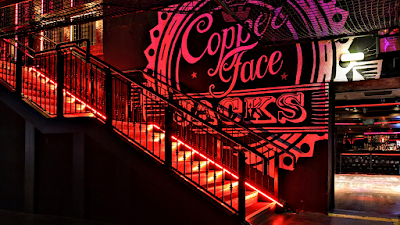
Copper Face Jacks
Harcourt Street
A legendary, infamous late-night institution popular with students, healthcare workers, and visitors from rural Ireland.
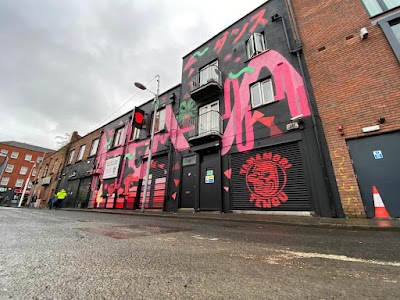
Tengu
Great Strand Street
Located behind Yamamori sushi restaurant, this club features an exceptional sound system and hosts underground electronic DJs.
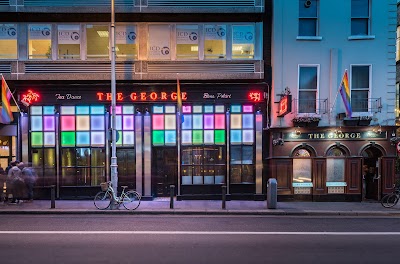
The George
George's Street
The historic heart of Dublin's LGBTQ+ nightlife, hosting legendary drag shows and dance nights for decades.
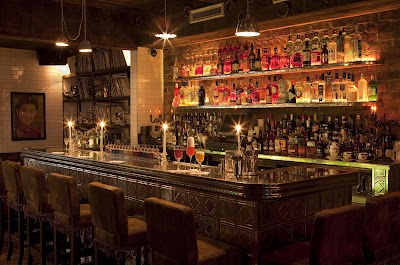
Vintage Cocktail Club
Temple Bar
Hidden behind an unmarked door, this multi-story speakeasy serves meticulously crafted historic cocktails in a vintage setting.
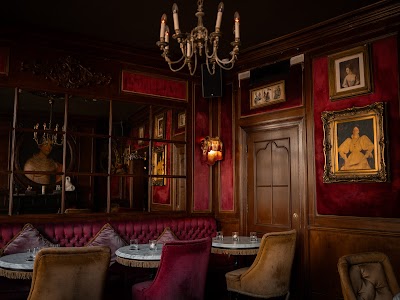
Peruke & Periwig
Dawson Street
A Victorian-style lounge serving creative cocktails named after musical genres, surrounded by historic portraits.
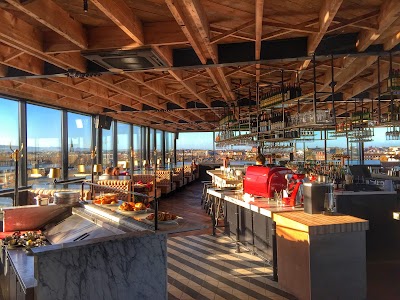
Sophie's
Harcourt Street
A glasshouse rooftop bar offering 360-degree views of the Dublin skyline, perfect for a sunny evening.
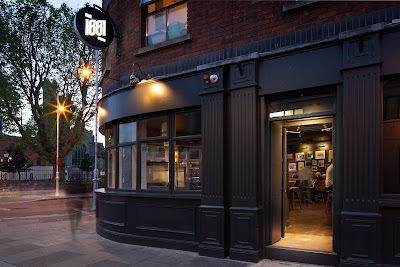
Bar 1661
Green Street
Dedicated to raising the profile of poitín (traditional Irish moonshine), this award-winning bar serves highly innovative cocktails.
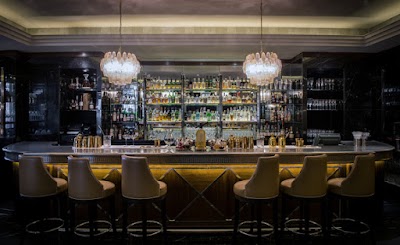
The Sidecar
Balfe Street
An elegant, 1930s-style cocktail bar located inside The Westbury Hotel, known for its martini trolley.

97
Rathmines
A neighborhood cocktail bar with a great vinyl soundtrack and creative drinks made with local ingredients.
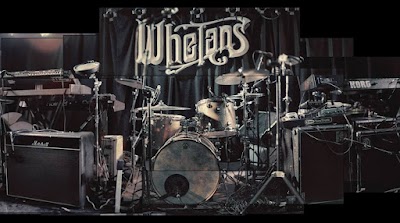
Whelan's
Wexford Street
The city's most famous indie live music venue, having hosted early gigs for major international artists.
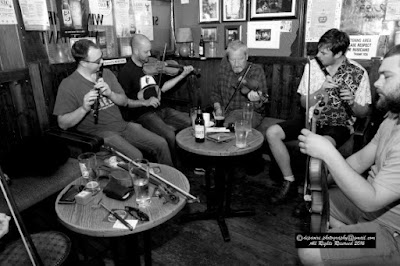
The Cobblestone
Smithfield
A historic pub famous for hosting genuine, daily traditional Irish music sessions around the front bar.
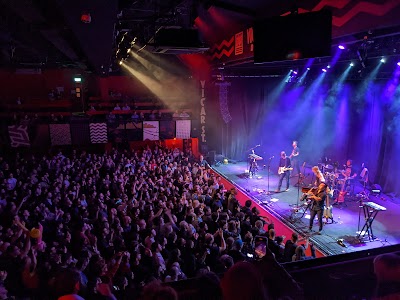
Vicar Street
Thomas Street
An excellent mid-sized venue known for its superb acoustics, hosting major national and international bands and comedians.
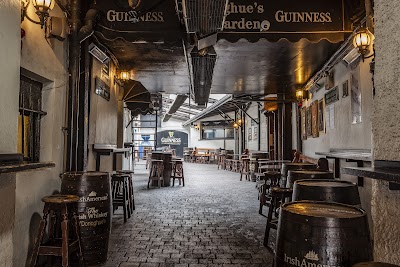
O'Donoghue's
Merrion Row
A historic pub famous as the birthplace of the folk group The Dubliners, still hosting nightly traditional sessions.
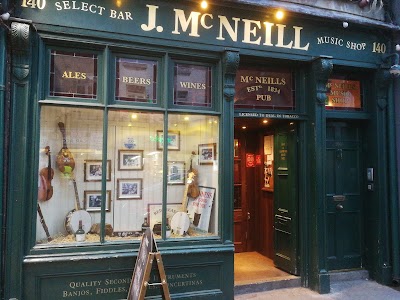
McNeill's
Capel Street
A quiet, traditional pub that hosts intimate, low-key acoustic traditional music sessions around a fireplace.
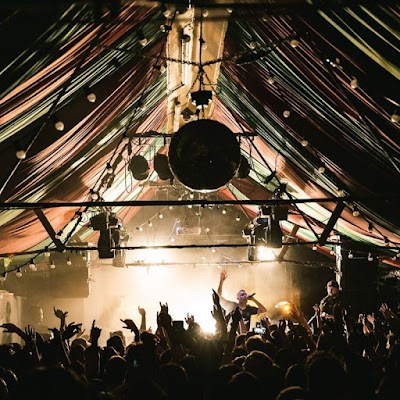
The Grand Social
Liffey Street
An eclectic venue hosting indie bands, hip-hop acts, and club nights, featuring a circus-themed rooftop bar.
Art & history
Culture
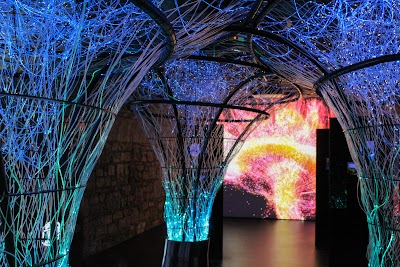
EPIC The Irish Emigration Museum
Docklands
An interactive, digital museum that explores the stories of the millions of people who left Ireland and their global impact.
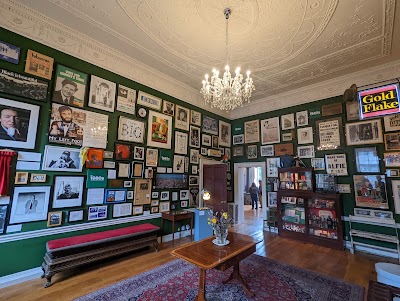
Little Museum of Dublin
St Stephen's Green
A quirky, local-led museum housed in a Georgian townhouse, telling the social history of Dublin in the 20th century.
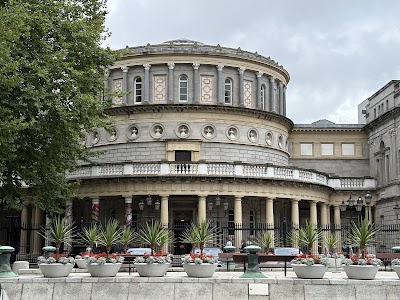
National Museum of Ireland - Archaeology
Kildare Street
Holds an incredible collection of prehistoric gold artifacts, Viking weaponry, and remarkably preserved Iron Age bog bodies.
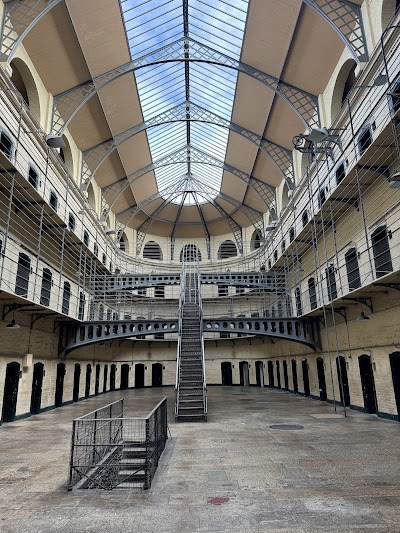
Kilmainham Gaol
Kilmainham
A historic former prison where the leaders of the 1916 Easter Rising were executed, offering a powerful look at Irish history.
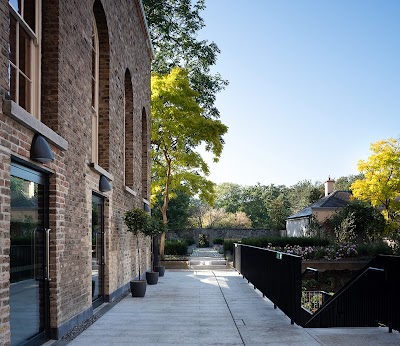
MoLI - Museum of Literature Ireland
St Stephen's Green
Celebrates Ireland's literary giants, particularly James Joyce, and holds the very first copy of Ulysses.
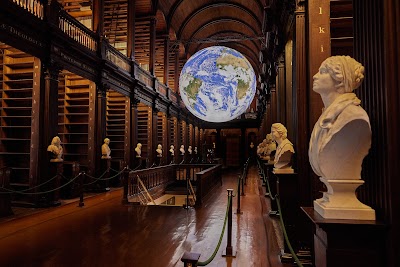
Trinity College & The Book of Kells
College Green
Ireland's oldest university, home to the magnificent Long Room library and the 9th-century illuminated manuscript.
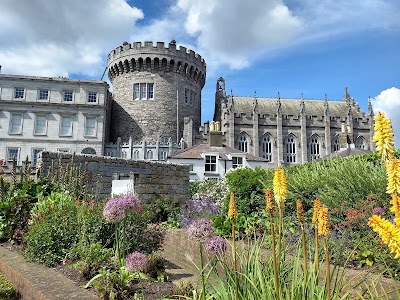
Dublin Castle
Dame Street
The historic seat of British rule in Ireland for over 700 years, now used for state ceremonies and exhibitions.
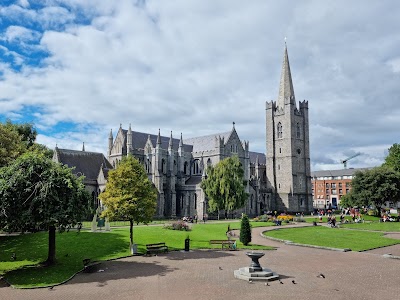
St. Patrick's Cathedral
Patrick Street
The national cathedral of the Church of Ireland, founded in 1191, and the burial site of Gulliver's Travels author Jonathan Swift.
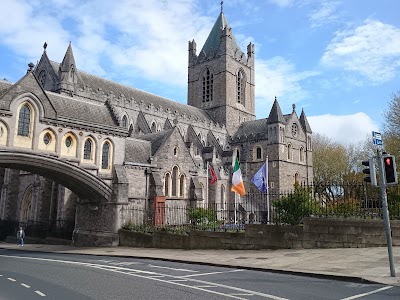
Christ Church Cathedral
Christchurch
Dublin's oldest cathedral, featuring a massive medieval crypt and a bridge connecting it to the Synod Hall.
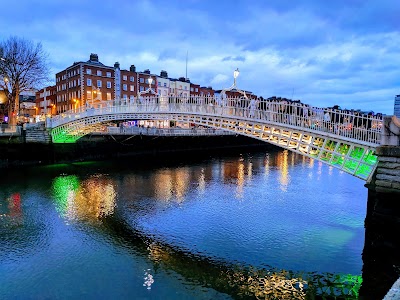
Ha'penny Bridge
Liffey
An iconic, cast-iron pedestrian bridge built in 1816, named after the half-penny toll once charged to cross it.
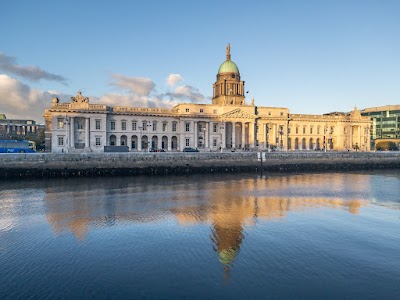
Custom House
Custom House Quay
A neoclassical masterpiece on the banks of the Liffey, designed by James Gandon and completed in 1791.
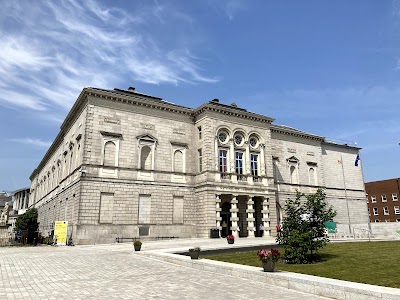
National Gallery of Ireland
Merrion Square
Holds a collection of European and Irish art, including works by Caravaggio, Yeats, and Vermeer.
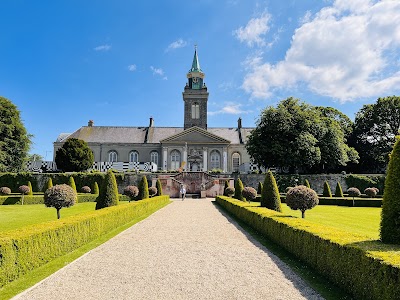
IMMA - Irish Museum of Modern Art
Kilmainham
Housed in the magnificent 17th-century Royal Hospital Kilmainham, it features rotating exhibitions of modern art.
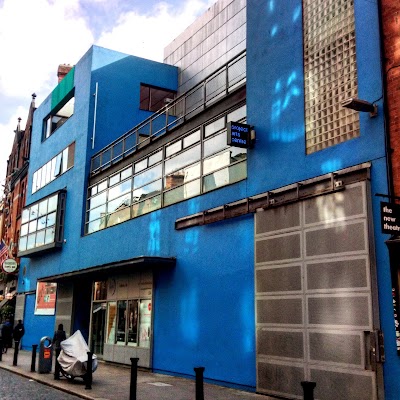
Project Arts Centre
Temple Bar
A multidisciplinary space hosting contemporary visual arts exhibitions alongside independent theater and dance.
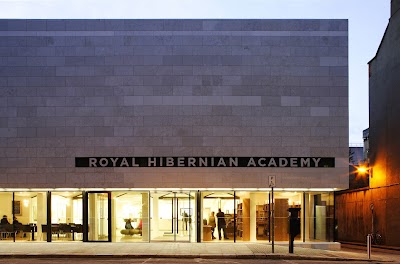
Royal Hibernian Academy (RHA)
Ely Place
An artist-run gallery showcasing contemporary Irish painting, sculpture, and photography across spacious galleries.
Book ahead
Top-rated experiences in Dublin

Dublin LGBTQ Pride Historical and Cultural Walking Tour
from $28

Authentic Dublin private car tour Top Ranked Dubliner guide Éamon
from $549

Day Tour from Dublin: Wicklow Mountains, Glendalough, Powerscourt
from $659

Exclusive Cliffs of Moher & Galway City private: Top guide Éamonn
from $1599

Dublin Airport Transfers: Luxury Transfer To/From DUB Per Vehicle
from $175

Private Dublin Sights and Pints (Walking Tour)
from $292

Private Dublin Pub Tour (Walking Tour)
from $280

Walk the Walls of Medieval Dublin - Private Group Tour
from $204
These are affiliate links. We may earn a commission when you book — at no extra cost to you. Tours are sold and operated by Viator, the merchant of record. Ratings collected by Viator and Tripadvisor.
Timing
When to visit
Spring
March brings the chaos of St. Patrick's Day, which is best avoided if you dislike massive crowds and inflated prices. April and May are much quieter, with blooming parks and drier days.
Summer
June to August brings the longest daylight hours and the warmest weather, but also peak hotel prices and crowded pavements in the city center.
Autumn
September and October are excellent months to visit. The autumn leaves in St. Stephen's Green are beautiful, and the city's cultural calendar is packed with theater and arts festivals.
Winter
November to February is cold, wet, and dark, but the city's pubs are at their most inviting, with open fires and a cozy atmosphere.
What it costs
Budgeting
Logistics
Getting around
From the airport
There is no rail link from Dublin Airport. The best options are the dedicated express bus services, Aircoach and Dublin Express, which run frequently to the city center. Taxis are widely available but can be expensive during peak traffic.
Public transit
The city is served by the Luas (tram system), the DART (coastal train), and an extensive network of double-decker Dublin Buses. The Luas has two main lines: the Red Line (connecting east to west) and the Green Line (running north to south).
Passes & tickets
The Visitor Leap Card is highly recommended. It offers unlimited travel on Dublin Bus, Luas, and DART for periods of one, three, or seven days, falling into the € band.
On foot
Dublin is highly walkable. Most major sights are located within a compact central area that can easily be traversed on foot, provided you have a waterproof jacket.
Travel smart
Safety & etiquette
Local etiquette
- •When drinking in a group, locals buy drinks in 'rounds'. If someone buys you a drink, you are expected to buy them one in return when it is your turn.
- •Do not tap your glass with a coin or wave aggressively to get the bartender's attention; wait patiently.
- •Saying 'thank you' to the bus driver when exiting from the middle or front doors is standard local etiquette.
From the ground
Practical tips
1
Book your tickets for Kilmainham Gaol and the Book of Kells weeks in advance, as they sell out completely.
2
Avoid buying pints in Temple Bar; walk just ten minutes outside the area to save several euros per drink.
3
Buy a Leap Card at any convenience store to save up to 30% on all public transit fares compared to cash.
4
Many high-end restaurants offer 'Early Bird' menus before 6:30 PM, which offer excellent value.
5
Pack a reliable waterproof jacket and layers; Dublin's weather can change from sunshine to rain in minutes.
6
Taxis can be hard to find on weekend nights; download the FreeNow app, which is the local standard for booking cabs.
Dublin FAQs
Do I need to book pubs in advance?
No, most traditional pubs operate on a walk-in basis. However, if you want a table at a popular spot on a Friday or Saturday night, arriving early is recommended.
Is Temple Bar worth visiting?
It is worth walking through to see the cobbled streets and historic storefronts, but avoid drinking there. Pints are significantly more expensive than in the rest of the city.
Can I pay with card everywhere?
Yes, Dublin is largely cashless. Credit and debit cards, as well as mobile payments, are accepted in almost every shop, pub, and restaurant.
How do I get a pint of Guinness with a good pour?
Go to traditional, high-turnover pubs like Mulligans or Grogans. A proper pour takes about two minutes, so do not rush the bartender.
Is the tap water safe to drink?
Yes, tap water in Dublin is perfectly safe and of high quality.