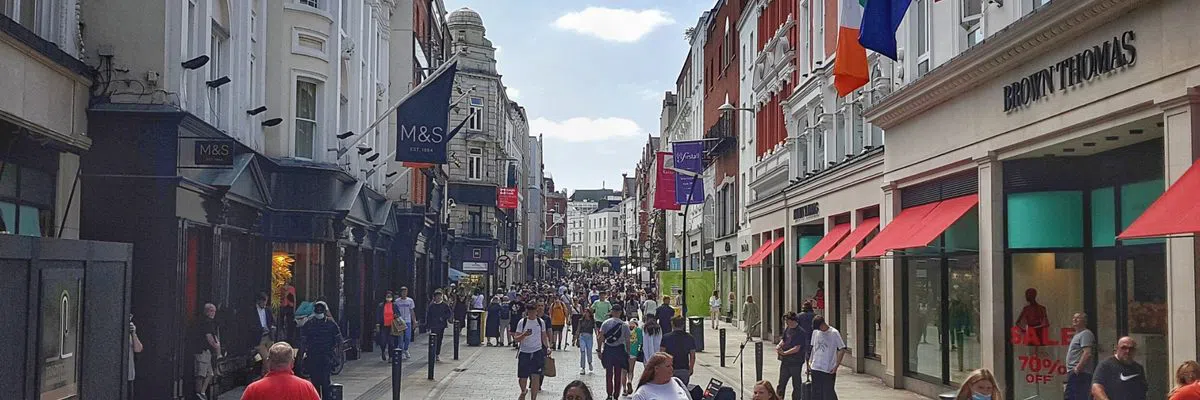
The granite on Grafton Street holds the rain for an hour after it stops, and at half nine on a September morning that is most of what you will hear: water dripping off awnings, a shutter going up, one guitarist tuning at the Trinity end because he has the whole pitch to himself. By one o'clock the same half-mile is carrying a drum kit, a trad fiddle, a crowd nine deep and a steward easing the middle of it apart. Both of those are Grafton Street. Which one you get depends almost entirely on the hour you arrive.
A pedestrianised half-mile, not a single landmark
Grafton Street (Dublin city centre, running from Trinity College down to St Stephen's Green) has been closed to cars since 1982, and that single decision is why it works. It is about a five hundred metre stretch of red brick and granite paving, walkable end to end in eight minutes at a steady pace, and nobody sensible does it in eight minutes. The street is a sequence of small events (a busker, a shop window, a lane opening off to the left with a pub in it), and the trick to enjoying it is treating it as a route rather than a destination.
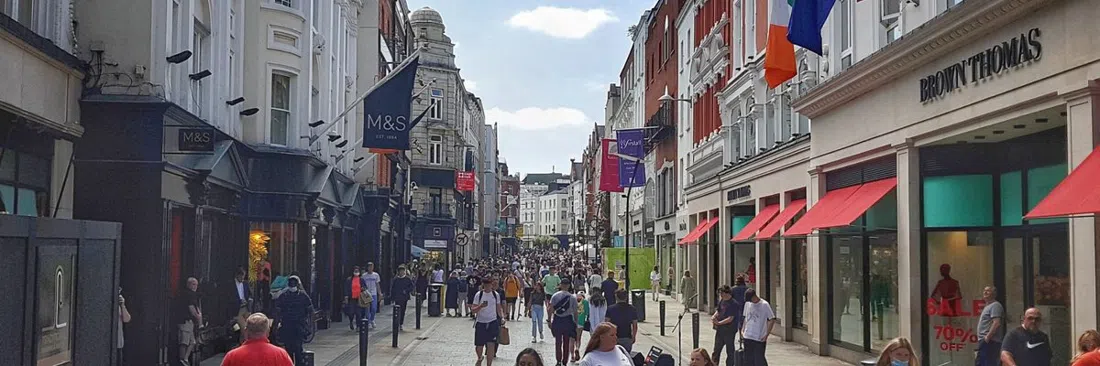
Busking here is permit-only and pitches run on a one-hour limit, which most visitors do not know. A performer works their hour and then has to move on, so the line-up you meet at eleven is not the one you meet at two, and the street effectively reprograms itself through the day. It also means that if a beatboxer with a sub has parked himself outside a window you wanted to photograph, waiting twenty minutes fixes it.
There is one physical pinch point to know about: the pavement narrows where the crowd gathers outside the big department store frontage, and stewards do break up blockages there. If you are in a group, keep to one side of the busker rings rather than forming your own semicircle across the street. Nobody will be rude about it, but you will be moved.
The busker rings and how to watch without becoming the problem
A good busker ring on Grafton Street is one of the better free hours in the city, and in September you get the best version of it: the summer pitch competition has thinned slightly, the weather still allows amplified sets, and the crowds are large enough to make a ring form but not so large that you are watching the back of a head. Stand at the edge, leave the inner circle to the people who arrived first, and drop coins rather than hovering with a phone. Card buckets are common now; a euro or two is normal.
The acts stratify by hour. Solo acoustic and instrumental players take the morning because footfall is thin and the permit slots are easy to get. Lunchtime, roughly half twelve to two, is the loud end: full bands, drum kits, choirs, the occasional string group who draw the biggest ring of the day. Late afternoon slides back towards singer-songwriters, and by seven the street is more people walking to dinner than standing still. If you only have one window and you want the spectacle, take the lunch hour. If you want to hear the playing rather than the crowd, take ten in the morning.
Ninety seconds off the street, which is where the good stuff hides
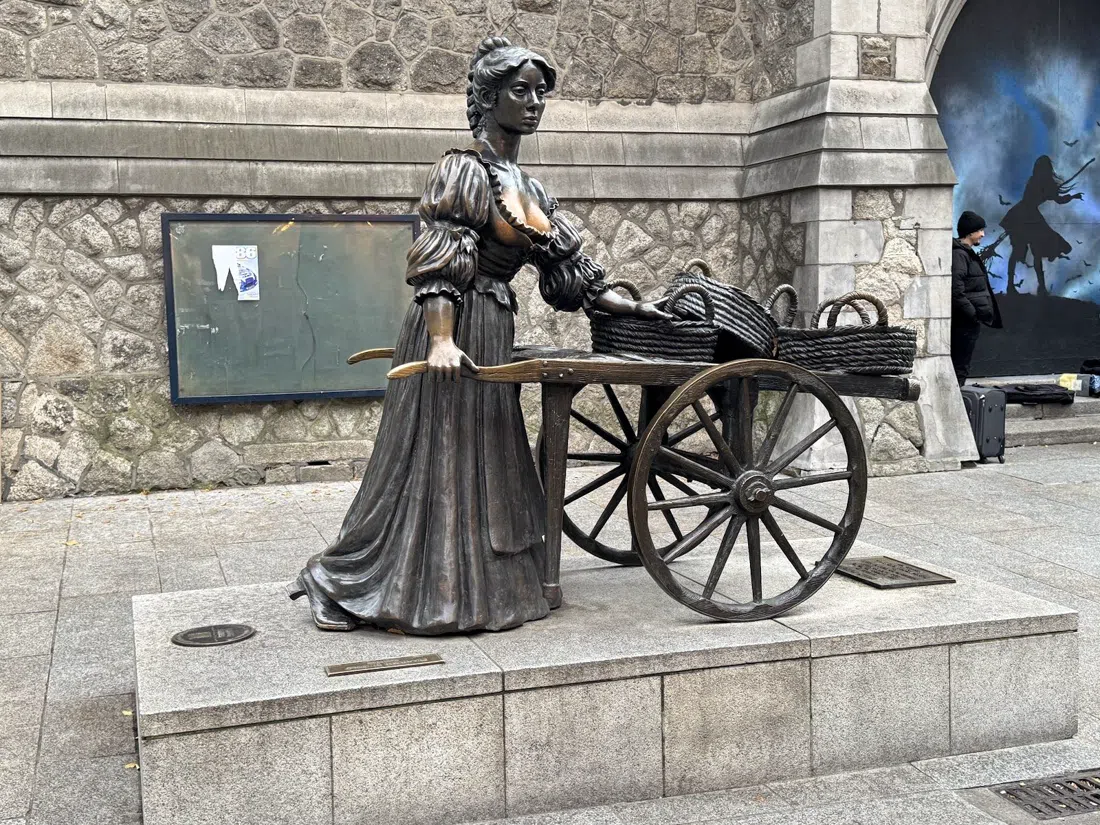
Molly Malone Statue (Suffolk Street, at the Trinity end) is the obvious first stop and it is ninety seconds from the top of Grafton Street. The bronze is a victim of its own legend: the touch-for-luck habit wore the chest down badly enough that the statue was hoarded off for restoration before reopening, and there is a live campaign asking visitors to stop touching it. Honour that. There is a small chance of temporary screening if conservation work returns. The pavement there is tight, so expect a short wait for a clear photo and do not plan on a leisurely group shoot.
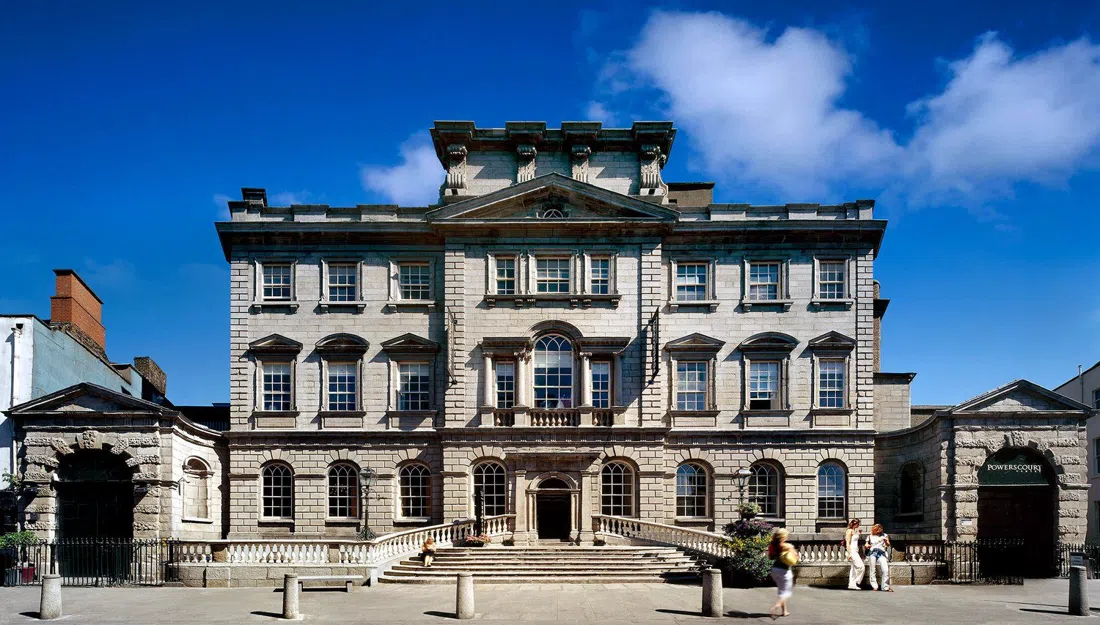
Powerscourt Townhouse Centre (off Clarendon Street via Johnson's Court, ninety seconds west of Grafton Street) is the detour I would make first in any weather and non-negotiable in rain. It is a Georgian mansion converted into a speciality centre: forty-odd independents, antique jewellers, small designers and cafés arranged around a covered courtyard. Entry is free and the ground level is step-free. The courtyard absorbs a group easily; the upper galleries are narrow and awkward with more than three or four people abreast. Cafés run roughly €5 to €25, and it is the one place in the quarter where a September shower simply does not affect your plan.
Shops that earn the hour
Brown Thomas (Grafton Street, west side, mid-street) is the street's anchor and the source of its most photographed windows. Browsing is free and there is no door policy, but the ground-floor beauty hall is the bottleneck at every hour of every day. Walk in and go straight up. The upper floors are calmer, and the top-floor restaurant is the sanest place on the street to sit down when the pavement outside has gone solid. Reckon €6 to €30 for food and drink there.

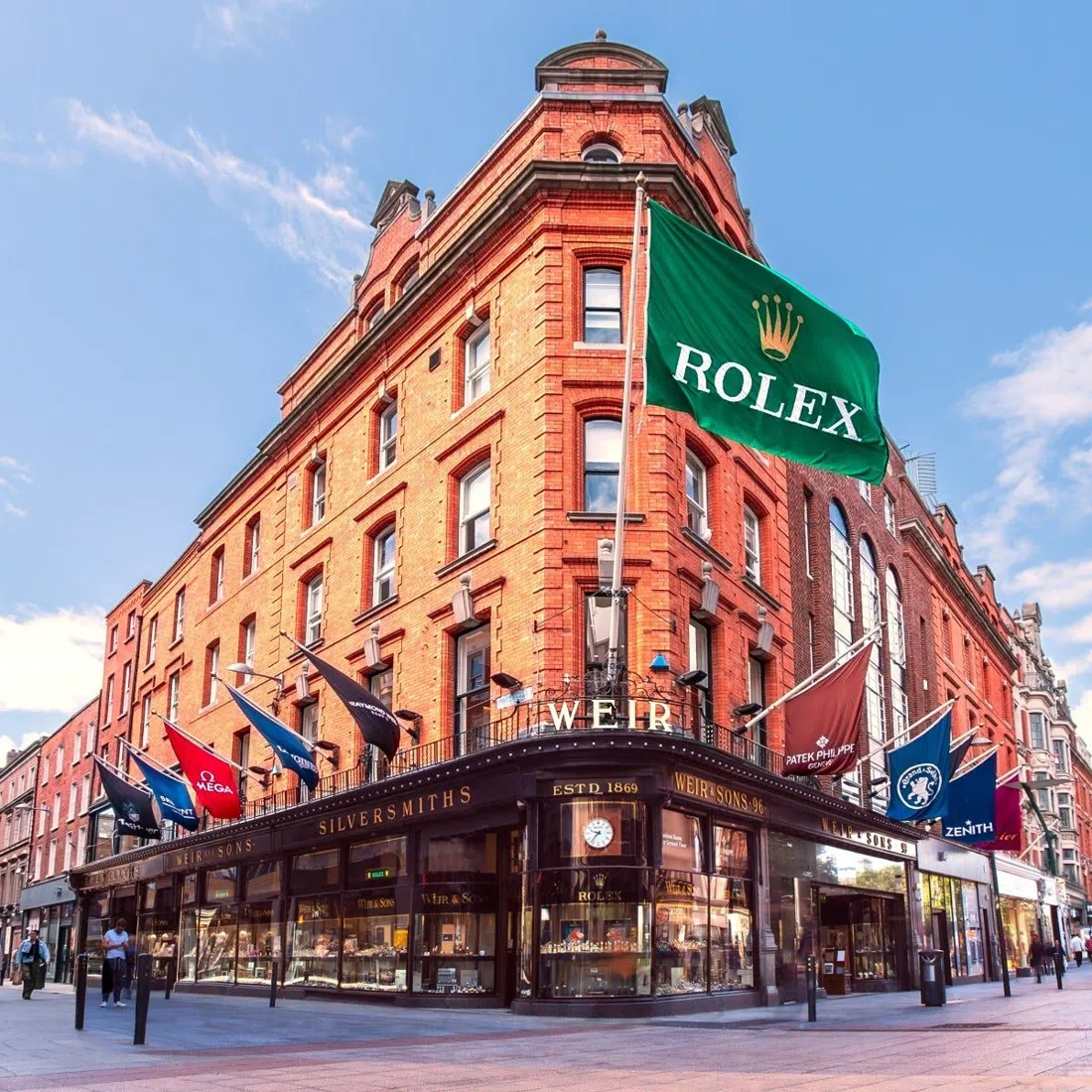
Weir & Sons (top of Grafton Street at the Trinity end) has been family-run since 1869 and is still a working shop rather than a heritage exhibit. The door is open, no appointment is needed to browse, and stock runs from around €100 to five figures. The part almost everyone walks past is upstairs: the silver and antiques rooms, which are quiet, free to look at, and more interesting than most of the paid attractions of this size anywhere in the city. Small groups are fine up there; a dozen people would not be.
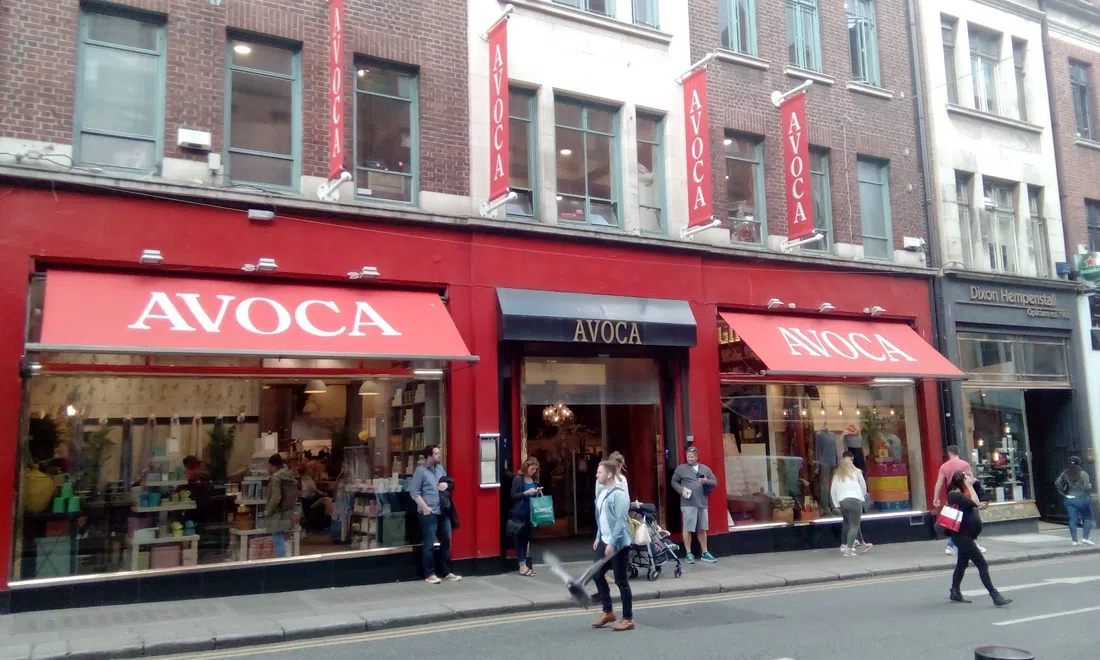
Avoca Suffolk Street (two minutes from the Trinity end of Grafton Street) is where you buy Irish-made woollens without leaving the block, and it has lifts to every floor. The rooftop café is the part most people miss, because they stop at the ground-floor food hall and never go up. Queues build from noon, so the window is 10am to 12pm; the café takes bookings and handles groups, which makes it the easiest sit-down in this cluster if there are more than four of you. Food runs about €10 to €25.
Where to sit down without leaving the street
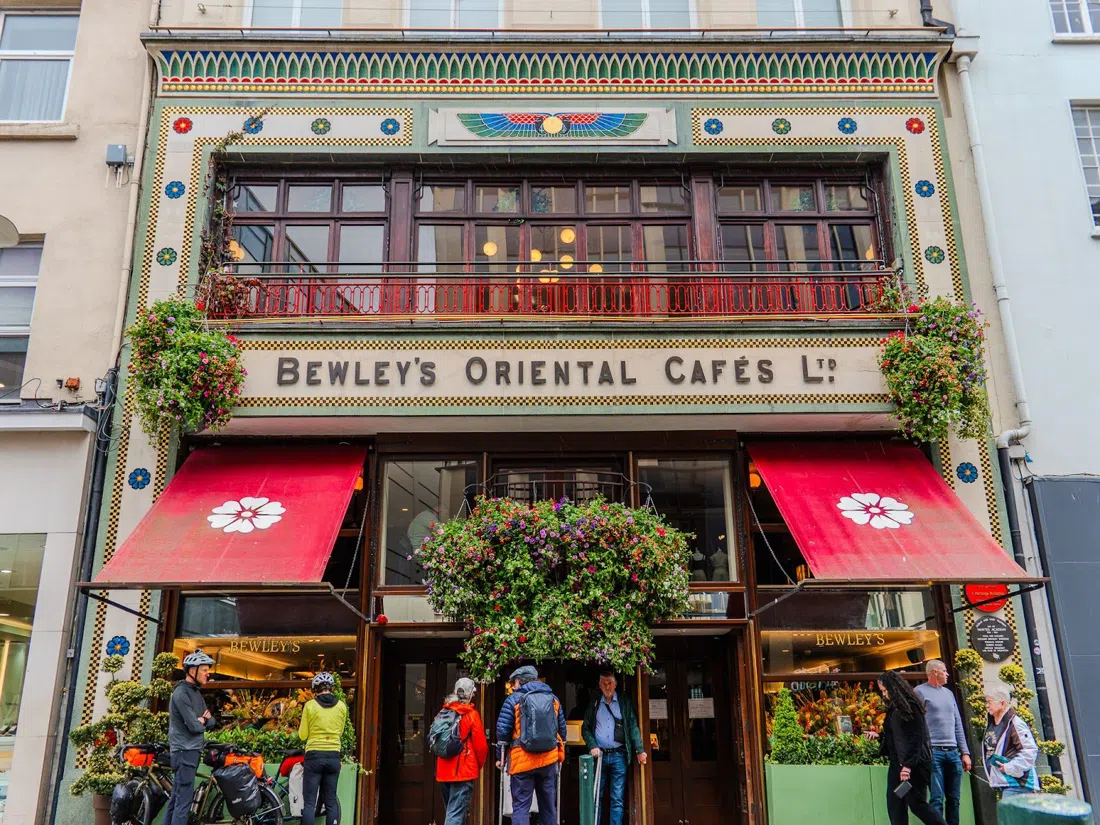
Bewley's Café Grafton Street (mid-street, east side) has been trading since 1927 and is the one address on Grafton Street that qualifies as an attraction in its own right. The reason is six stained-glass windows by Harry Clarke, which you can sit and look at for as long as your coffee lasts, for free. It is walk-in over several floors with a theatre room upstairs, and prices run €5 to €18, a coffee and a bun up to a full lunch. Large groups are accepted but you will be split across tables at peak; mid-morning on a weekday is by far the easiest time to get a decent table near the glass.
Three pubs, three different evenings
The pubs in the lanes off Grafton Street are the real argument for staying in this quarter after dark, and they are genuinely different from each other.
Grogan's Castle Lounge (South William Street, two minutes off Grafton Street) is the purest conversation pub within reach: no screens, no piped music, art on the walls and a room full of people talking. There are no reservations and no bookings. Four or five of you will get in; more than that and you are standing on the pavement with your pints, which is a legitimate Dublin activity but plan for it. Pints run €6 to €9, and the toastie, around €6, is the order.

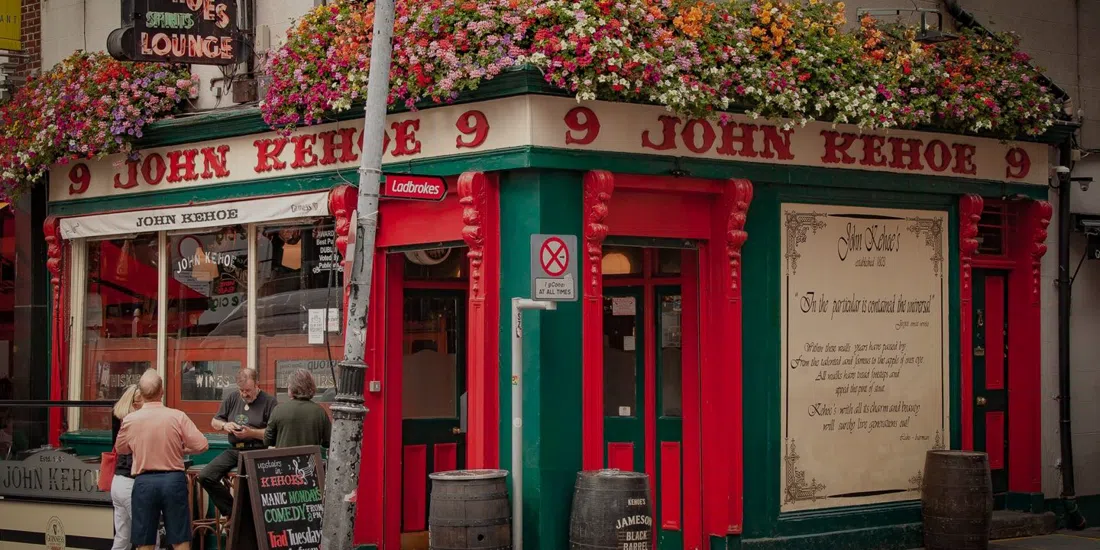
Kehoe's (South Anne Street, one minute off Grafton Street) was first licensed in 1803 and has barely been touched since its 1890s fit-out. The snug seats a handful of people and the upstairs rooms take slightly more. No bookings. Arrive before 6pm if you want to see the interior rather than the back of someone's head, because after that it is a very good pub you cannot really look at. Groups over six should expect to split up.
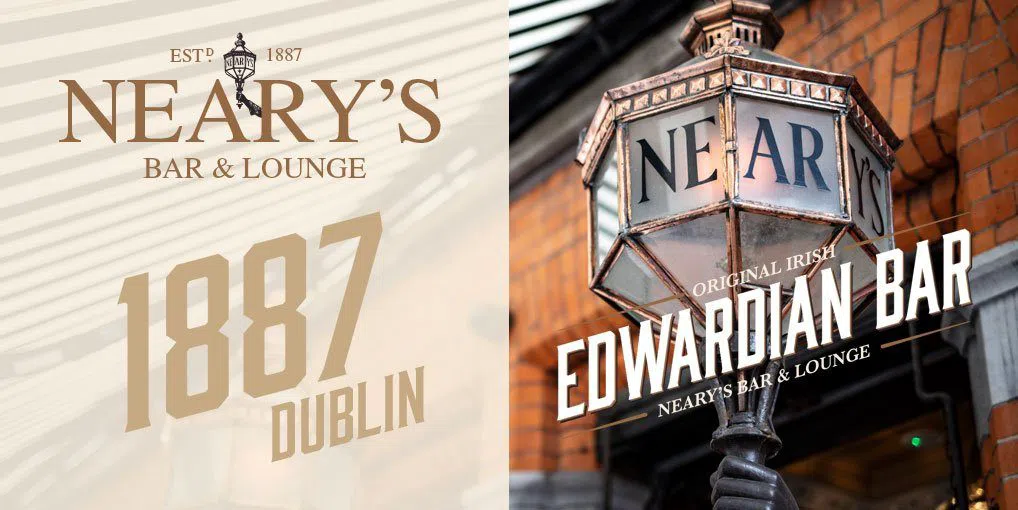
Neary's (Chatham Street, thirty seconds off Grafton Street) was established in 1887, sits back-door-adjacent to the theatre, and is the most comfortable of the three for an actual sit-down round with food, at €14 to €25 a plate. The upstairs Chatham Lounge takes private groups by arrangement. One hard rule: it is closed Mondays, so do not build a Monday evening around it.
The paid attractions at either end
Book of Kells Experience, Trinity College Dublin (top of Grafton Street via Nassau Street, four minutes' walk) is the anchor paid attraction of this walk. Tickets are timed-entry and must be pre-booked; slots sell out well ahead in season, which is the single most common way visitors lose a morning here. Self-guided starts around €21.50 and guided options from about €65. The Old Library and the Long Room remain open to visitors until the end of 2027 despite the redevelopment work, so 2026 is a fine year to see it.

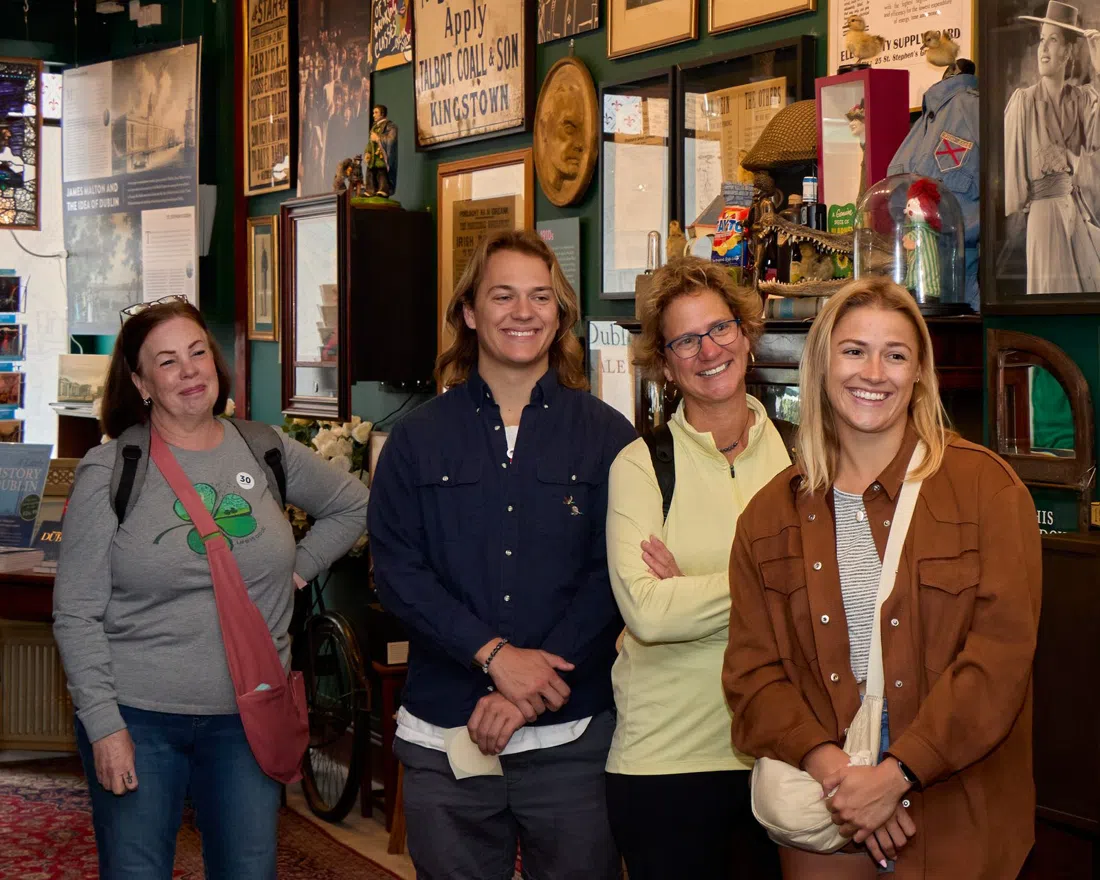
The Little Museum of Dublin (St Stephen's Green, six minutes from the middle of Grafton Street) reopened in June 2025 after a refit of over €4m and is running normally for 2026. It works on timed guided tours only, around thirty minutes of storytelling with no wandering and no dead time, which makes it unusually good value at roughly €15 to €20 for anyone who dislikes reading wall panels. Groups must pre-book a slot. A lift was added in the refit, so it is now step-free.
St Stephen's Green Park (bottom of Grafton Street through the Fusiliers' Arch) is free, OPW-run and fully step-free on wide gravel paths, and the top of Grafton Street opens straight into it. The lakeside lawns take a crowd comfortably. Gates open 07:30 on weekdays and 09:30 on Sundays, and autumn closing drifts earlier through September, so check the gate time before you plan to cross the park on the way to an evening booking. Finding it locked and having to walk the railings will cost you fifteen minutes you did not budget.
An evening that does not need a taxi
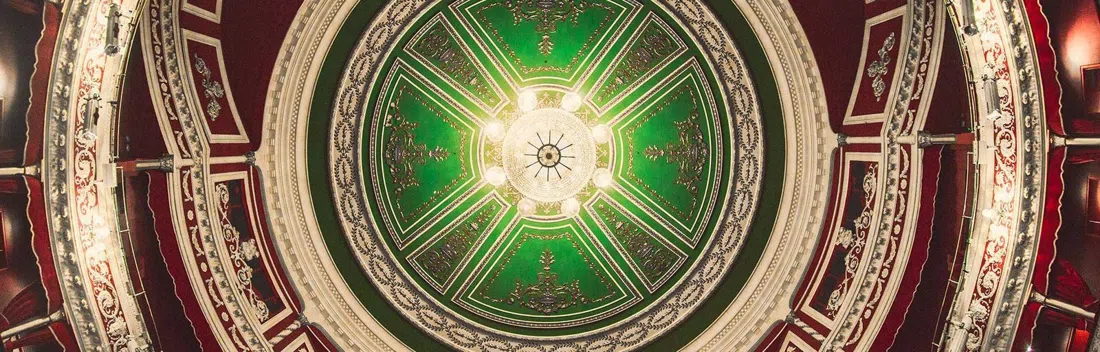
Gaiety Theatre (South King Street, thirty seconds off Grafton Street) is running a full September 2026 programme including Dublin Theatre Festival work, with tickets roughly €25 to €70. Group bookings go through the box office, and step-free access is limited to the stalls, so flag mobility needs when you book rather than on the night.
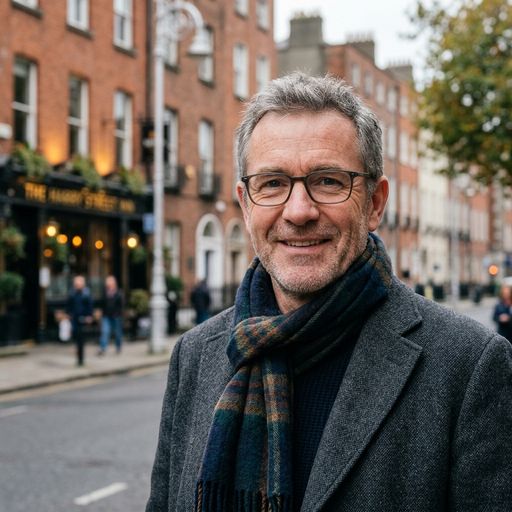
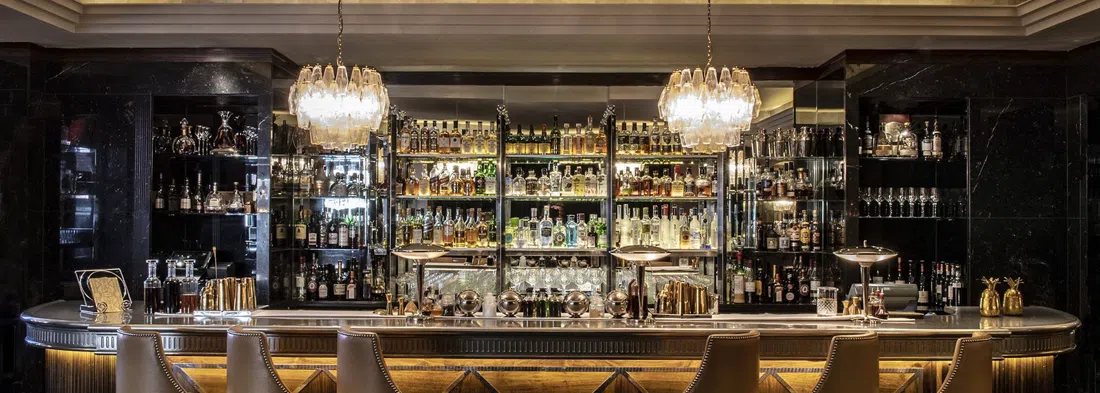
The Sidecar at The Westbury (Harry Street, off Grafton Street) is the grown-up room of the quarter, open to non-residents, with cocktails at €16 to €22. It was named hotel cocktail bar of the year in 2024 and the tableside martini trolley is the reason to take a table rather than perch at the bar. Reservations are strongly advised Thursday to Saturday evenings and essential for a larger group.
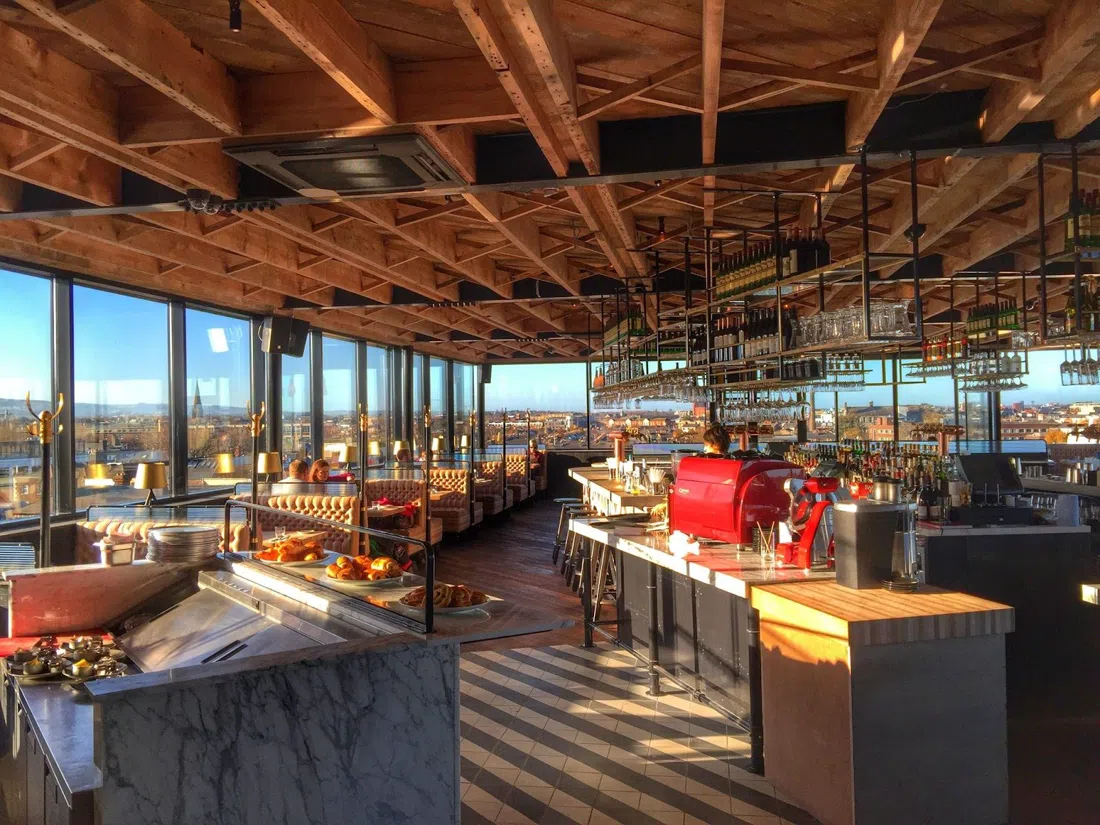
Sophie's Rooftop at The Dean (Harcourt Street, about ten minutes up past St Stephen's Green) is the only real elevated view within walking distance, and the glasshouse construction means an Irish September shower does not cancel the plan. Food runs €20 to €45 a head, cocktails €15 to €18. It takes bookings including larger tables; walk-ins are possible off-peak, but weekend brunch and Friday evenings need reserving.
The best hours to walk Grafton Street in September
September is the best month of the year for this street, and the reason is prosaic: the light lasts until around eight early in the month, the peak-summer crush has gone, and the shops are into autumn stock rather than end-of-season remains.
Three windows are worth targeting. From 9.30am to 11am on a weekday you get empty pavement, easy café tables, the quiet upstairs rooms at the jeweller and the antiques centre before anyone else, and one or two solo buskers you can actually hear. From 12.30pm to 2pm, any day, is the loudest and best busking of the day and the worst shopping, so go for the performance and not the purchase. From 4pm to 6pm is the compromise: full street life, still enough daylight for photographs, and pubs you can get into before the after-work wave.
Avoid Saturday between noon and four unless crowds are the point. Sunday is quieter on the street but slower to start, and the park gates open later. If rain sets in, and it will, for twenty minutes at a time, the Georgian shopping centre, the heritage café and the department store are all within two minutes of each other, which is why this quarter is the right base for an unreliable-weather trip.
Is it worth it
As a free hour, yes, without qualification: a permit-regulated busking street with a 1927 café, an 1869 jeweller and three untouched Victorian pubs in its side lanes is a real thing, not a shopping mall with a violinist. What it is not is a two-hour set-piece attraction. If you walk it once, in the wrong hour, with no detours, you will wonder what the fuss was, and that is the most common disappointment here.
It suits couples and solo walkers best: the pubs are small, the good rooms are upstairs and narrow, and the pleasure is unhurried. Groups are fine on the street and in the park and the shopping centre, awkward in the snugs, and should pre-book anything timed. Families do well in the mornings and at the park end. If you want structure and context rather than a wander, a guided option exists as well as door tickets for the paid attractions at either end. Those guided walks run seven days a week, start from 34 USD per person and are currently discounted from 41 USD, so it is worth comparing against paying at each door if you plan on more than one attraction.
For where to stay, the streets immediately around here put everything in this article inside a ten-minute walk. Compare rates with a Dublin hotel search, and read the wider Dublin guide if you are building a full itinerary around the quarter.
Practical notes
Getting there does not need a car. The Green Line tram terminates at St Stephen's Green, one minute from the bottom of Grafton Street, and there is a stop at Trinity for the top end. Most city buses stop within five minutes on College Green or Nassau Street. From the main rail stations it is under fifteen minutes on the tram or roughly a twenty-five minute walk from the north-side terminus. Do not drive: the street is pedestrianised and the surrounding grid is one-way, restricted and expensive to park in.
Everything takes cards, including most buskers via a bucket with a card reader, but carry ten or twenty euro in coins for performers and small pub rounds. Pints are €6 to €9 across the three pubs here. Cocktails run €15 to €22 in the named bars.
For timing and budget, allow ninety minutes for the street and its immediate lanes, three hours if you are adding the manuscript exhibition or the guided museum, and a full day if you want an evening at the theatre on top. A no-ticket day costs you a coffee and a pint. Add roughly €20 for the museum, €21.50 upwards for the manuscript exhibition, and €25 to €70 for a theatre seat. Book the timed attractions and any Thursday-to-Saturday bar table before you arrive; everything else on this street you can decide on the pavement.