Dublin-nummeret
Inside Dublin Castle, From Viking Bank to State Apartments
What is actually inside Dublin Castle, how long a visit takes, and the plan I would follow during the months the Cork Hill gate stays shut.

Av Julien AubertThe Dublin between the postcards
The Poddle, the river that pooled dark under this ground and gave Dublin its name, still runs somewhere beneath the cobbles of the Upper Yard: culverted, invisible, audible to nobody. Above it sit eight centuries of unbroken administrative habit, a Viking earth bank, the stump of a Norman tower, a Georgian palace of state rooms, and the hall where Irish presidents are still sworn in. Dublin Castle is the least castle-like castle you will ever buy a ticket for, and comfortably the most consequential building in the city.
The gate on Cork Hill is closed to visitors
Plan with this first. The castle campus is currently shut to visitors, and the arch on Palace Street beside the castle gate is closed with it. I am not going to invent a reopening date or a reason the castle has not published itself. Check the official Dublin Castle page in the week you travel, and if you are booking a guided walk that includes the grounds, confirm with the operator what they can actually get you into right now.
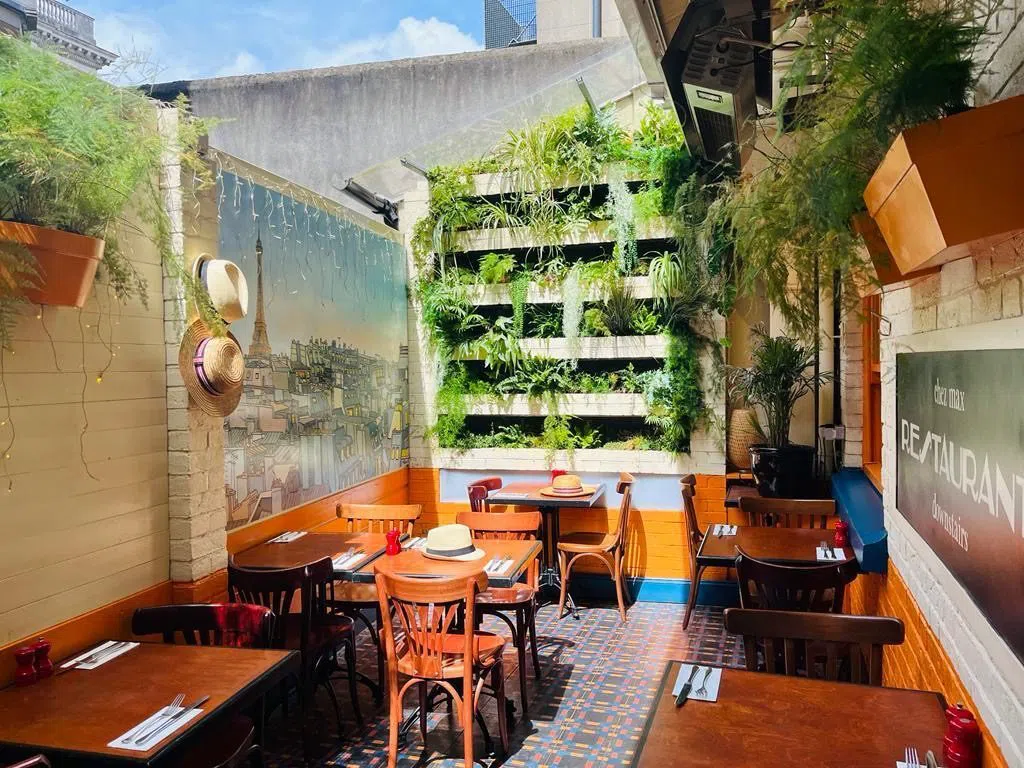
Everything below still holds. The building is not going anywhere, the quarter around it is wide open, and the nearest table to the gate is still trading: Chez Max on Palace Street, the lane directly beside the castle entrance, keeps normal hours straight through the closure, open from 8am, French bistro cooking with cheap breakfast and coffee and mid-range mains. It is a small room, so a couple can walk in and a party of eight should phone. If your trip falls inside the closure, skip to the walking circuit further down. It tells the same city story, and most of it costs nothing.
Planlegg reisen til Dublin
Oppdaterte priser fra våre bookingpartnere.
Gratis avbestilling på mange rom. Vi kan motta provisjon når du bestiller.
What you are actually standing on
The short version of the castle is that nothing here was built to be looked at. In the ninth and tenth centuries this was the defended corner of a Viking town, where the Poddle met the Liffey and spread into the dark pool, dubh linn. Around 1204, King John ordered a proper Anglo-Norman fortress on the high ground: a roughly square castle with drum towers at the corners and a moat fed by the river. One of those towers, the Record Tower, is still standing, and its walls are the oldest intact structure in the city centre.
Then, in 1684, fire took most of the medieval castle, and the eighteenth century rebuilt it as something else entirely: a working palace-and-office campus for the Crown administration in Ireland, with brick ranges around two yards rather than battlements. That is what you see from the Upper Yard today, and it explains the standard first reaction. This looks like a government quadrangle, not a fortress. The statue of Justice over the Cork Hill gate famously faces inward, her back to the city, which generations of Dubliners read exactly as it looks.
The medieval castle survives underground, in the Undercroft, and this is the part people remember. Down a short flight of stairs you get the sloped Viking defensive bank, the base of the Powder Tower, the city wall butting into it, and the steps where the Poddle was let into the moat. It is small, cool, low-ceilinged, and the clearest physical lesson in Dublin's first thousand years that the city offers. Above ground, the nineteenth-century Chapel Royal and the Dubh Linn Gardens behind the state ranges round out a visit; the gardens sit on the pool itself.
Inside the State Apartments
The State Apartments are the ticketed heart of the place and they are genuinely grand rather than merely old. You move through a sequence of reception rooms (the Throne Room, the drawing room, a long portrait gallery) and finish in St Patrick's Hall under Vincenzo Valdrè's ceiling paintings, three panels of eighteenth-century political theatre arranged over what is now the most charged ceremonial room in the state. Irish presidents are inaugurated under it. State dinners and European summits happen here. It is in daily working use, which is why rooms sometimes close at short notice.
The twentieth-century layer is what gives the visit its weight. James Connolly was held in the castle's military hospital after the 1916 Rising, wounded, and taken from here to his execution. In January 1922 the castle was handed over to Michael Collins and the Provisional Government, ending seven hundred years of administration from this address. Guides tend to tell those two stories back to back, and they should: the rooms are beautiful, but the reason to stand in them is that Irish sovereignty changed hands in the building.
How long it takes and when to go
Budget 45 minutes to an hour for the State Apartments on your own, or around 70 minutes for a guided visit, which is the only way most visitors see the Undercroft and the Chapel Royal. Add half an hour for the Dubh Linn Gardens and the yards if the weather is behaving. A castle-plus-one-cathedral morning is a comfortable half day; a castle-plus-Book-of-Kells day needs the whole morning and some patience.
First entry of the day is the quiet slot, and it is not close. By late morning the yards fill with coach parties and school groups, and guided slots are capped by how many people fit in the Undercroft stairwell. Midweek beats weekends. If you only have one window, take 9.30 to 11am on a Tuesday or Wednesday and you will have the grand rooms close to empty.
Tickets at the door or booked ahead
Normally the castle sells both at the door and online, with self-guided entry cheaper than the guided visit, and the guided visit worth the difference for the Undercroft alone. People rarely get caught by the queue at the ticket desk. They get caught arriving at 2pm, finding the next guided slot full, and being offered self-guided access to the state rooms only. Book the guided slot ahead if the medieval layer is why you came.
Guided walking options that take in the castle and the lanes around it run seven days a week, from 27 USD per person, and carry 20,968 traveller reviews between them, with the best-reviewed of them rated 4.9 out of 5 from 7,518 reviews. A good walking guide is the right call if you want the 1204-to-1922 thread joined up rather than a room-by-room label hunt, and the wrong call if you would rather sit in the gardens for twenty minutes. During the closure, ask specifically whether a tour still enters the grounds or only passes the gate.
Access, rules and groups
The yards are cobbled and uneven. The State Apartments are largely step-free with lift access between floors, but the Undercroft is reached by stairs into a low, tight space, so confirm access before you build a visit around it. Photography without flash is usually fine in the state rooms; tripods are not. Groups must be booked in advance, and this is not a formality: unannounced parties of twenty get turned back at the gate while the guide negotiates.
The free substitute next door
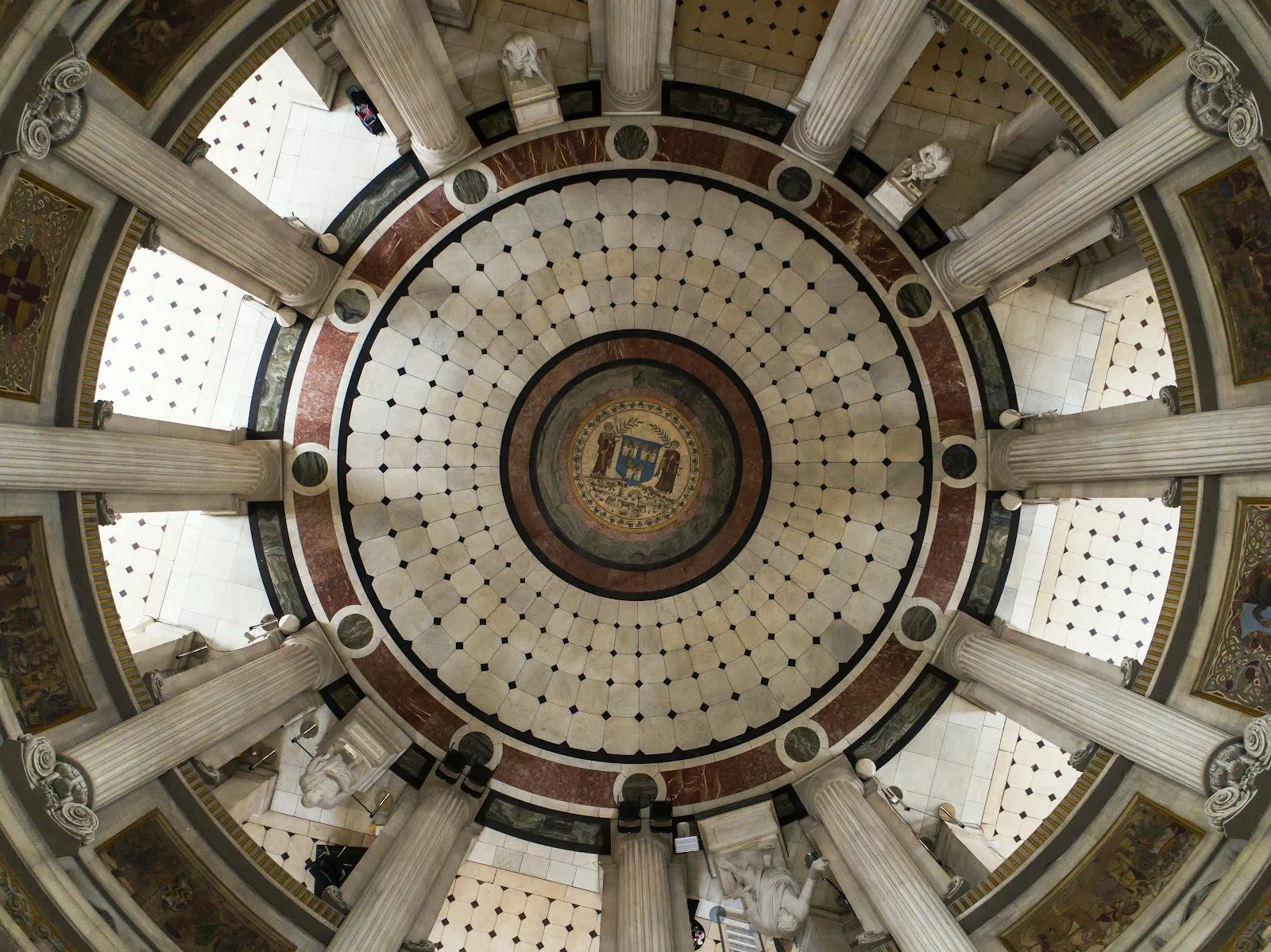
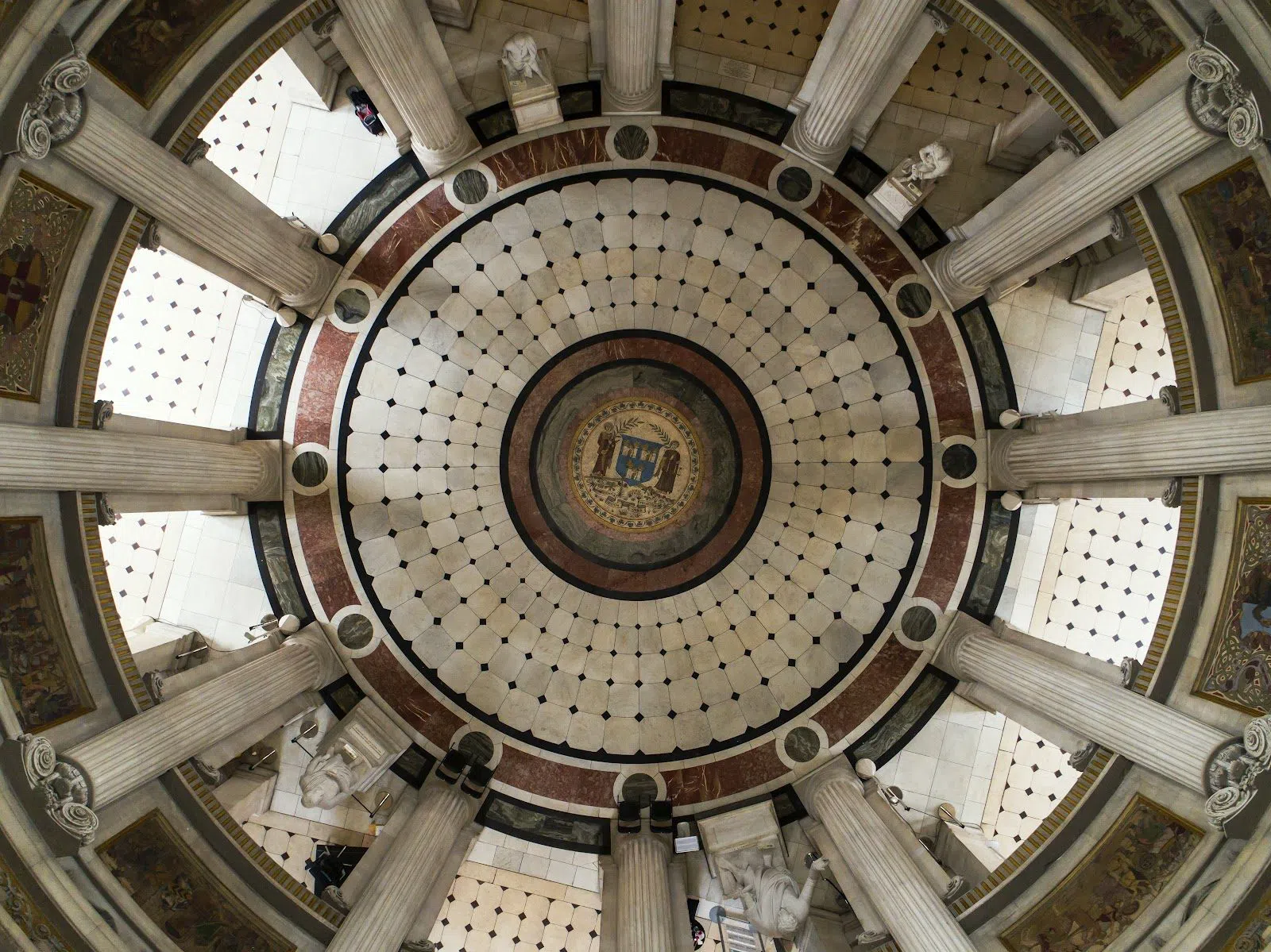
Dublin City Hall on Cork Hill is the single best stand-in while the castle is shut, and it is thirty seconds from the castle gate. It is free, walk-in, autism-friendly accredited, and the vaults exhibition under the Rotunda tells the same thousand-year city story the castle tells, from Viking settlement forward, in a domed 1770s merchants' exchange that is itself a first-rate Georgian interior. Groups are fine in the Rotunda, but it closes for private events, so anything over about ten people should phone 01 222 2204 the day before. It is closed Sundays and bank holidays.
Medieval Dublin, five minutes west
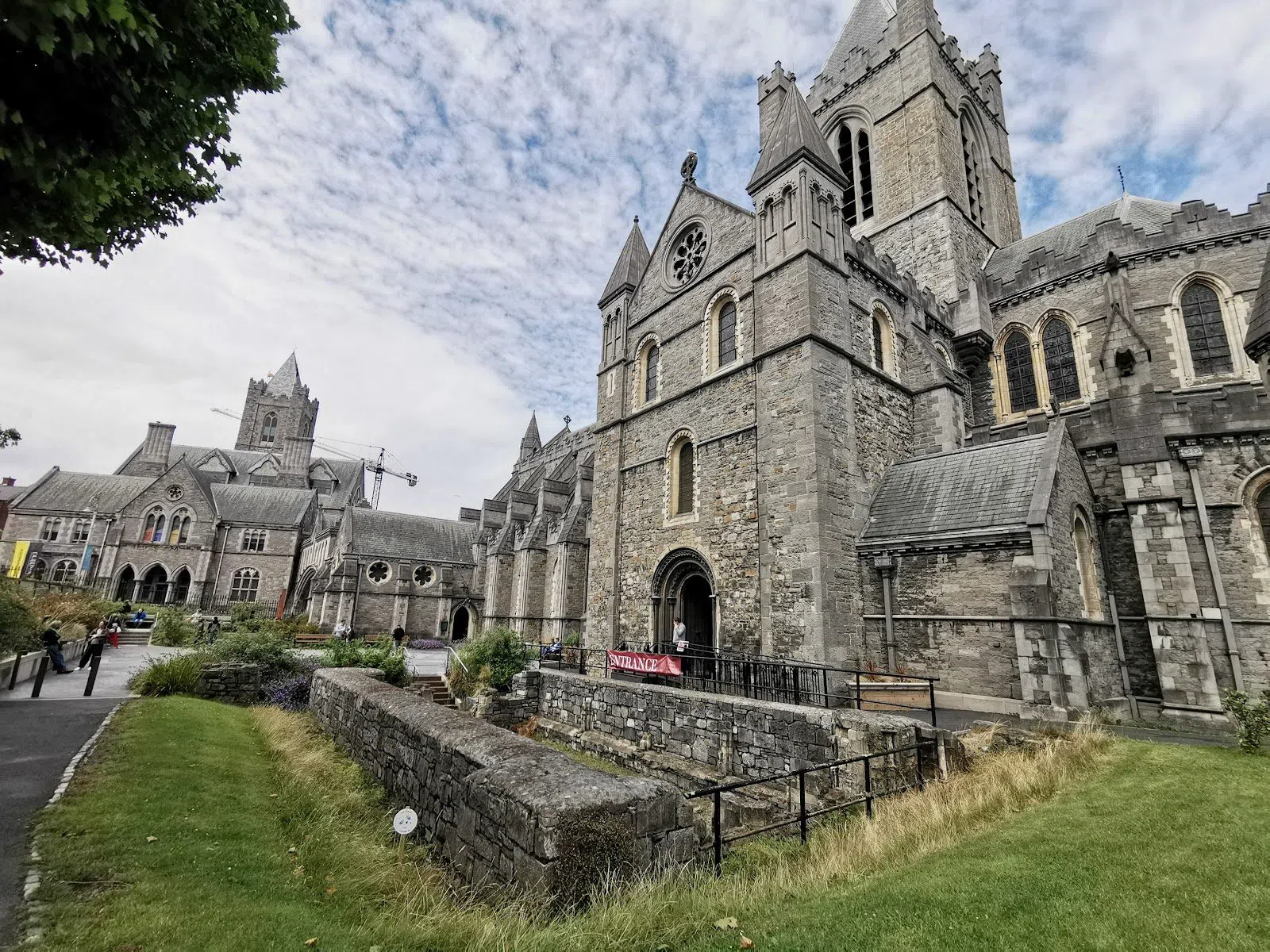
Christ Church Cathedral on Christchurch Place is a five-minute walk west along Lord Edward Street and the oldest building in Dublin still doing its original job. The crypt is the draw: vast, twelfth-century, the largest in Ireland. Walk-in is around €12 for an adult, cheaper booked online, under-12s about €4 and a family ticket around €28; groups are explicitly welcome with special rates for ten or more, bookable online. The belfry bell-ringing tour is not sold online at all, so ask at the welcome desk when you arrive, and note that under-12s cannot go up.
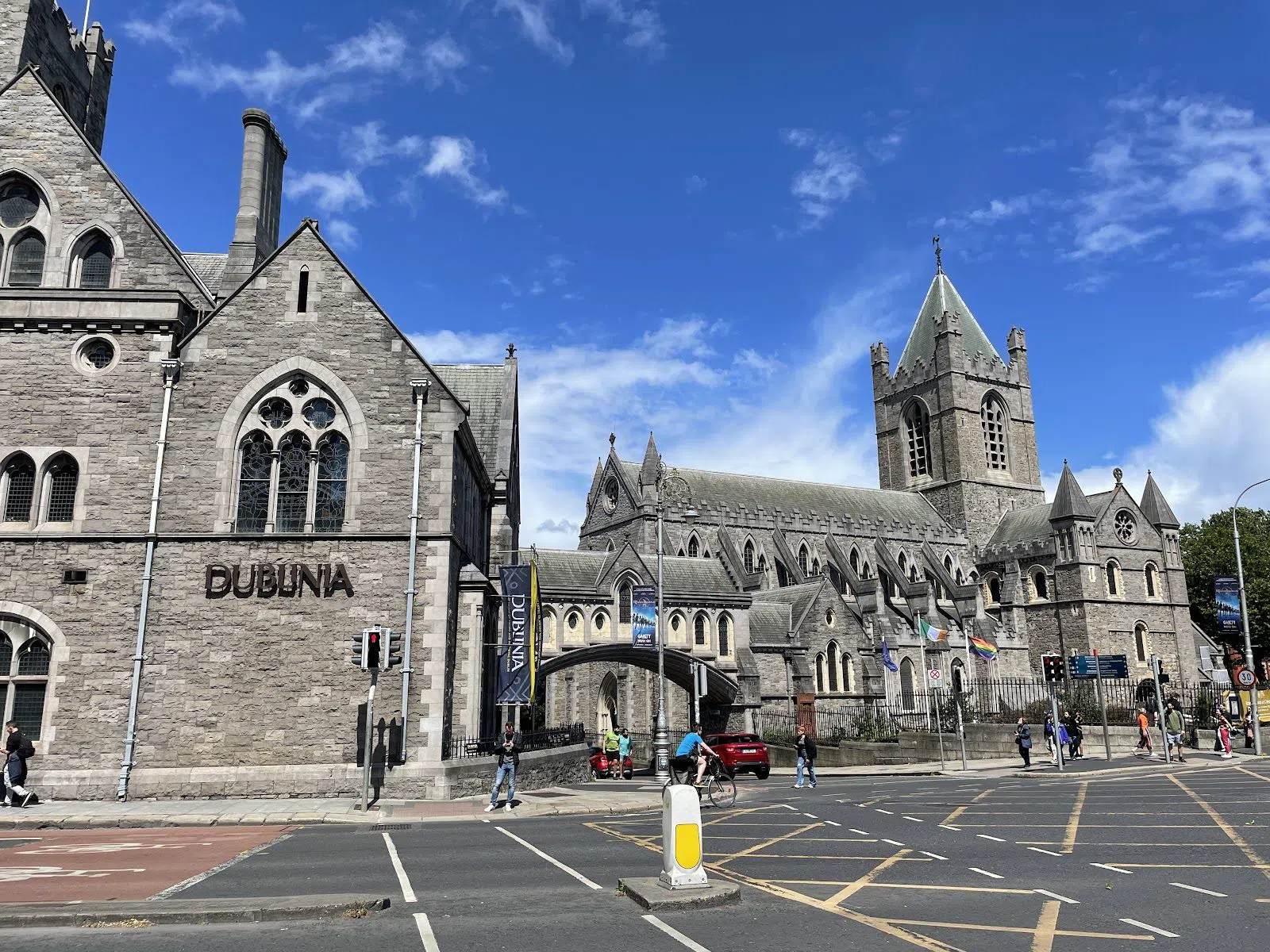
Across the footbridge, Dublinia on St Michael's Hill is the hands-on Viking and medieval museum and the quarter's proper viewpoint from St Michael's Tower. It costs €18 for an adult at the door, €15.50 senior or student, €11.50 child and €50.50 for a family, with €1 off online, and a combination ticket with the cathedral exists. It is built for groups and school parties, with free guided tours and living-history sessions daily, but book large parties ahead. Watch the clock in winter: last entry is 4pm for a 5pm close, against 5pm and 6pm from April to September.
The cathedral and the library on St Patrick's Close
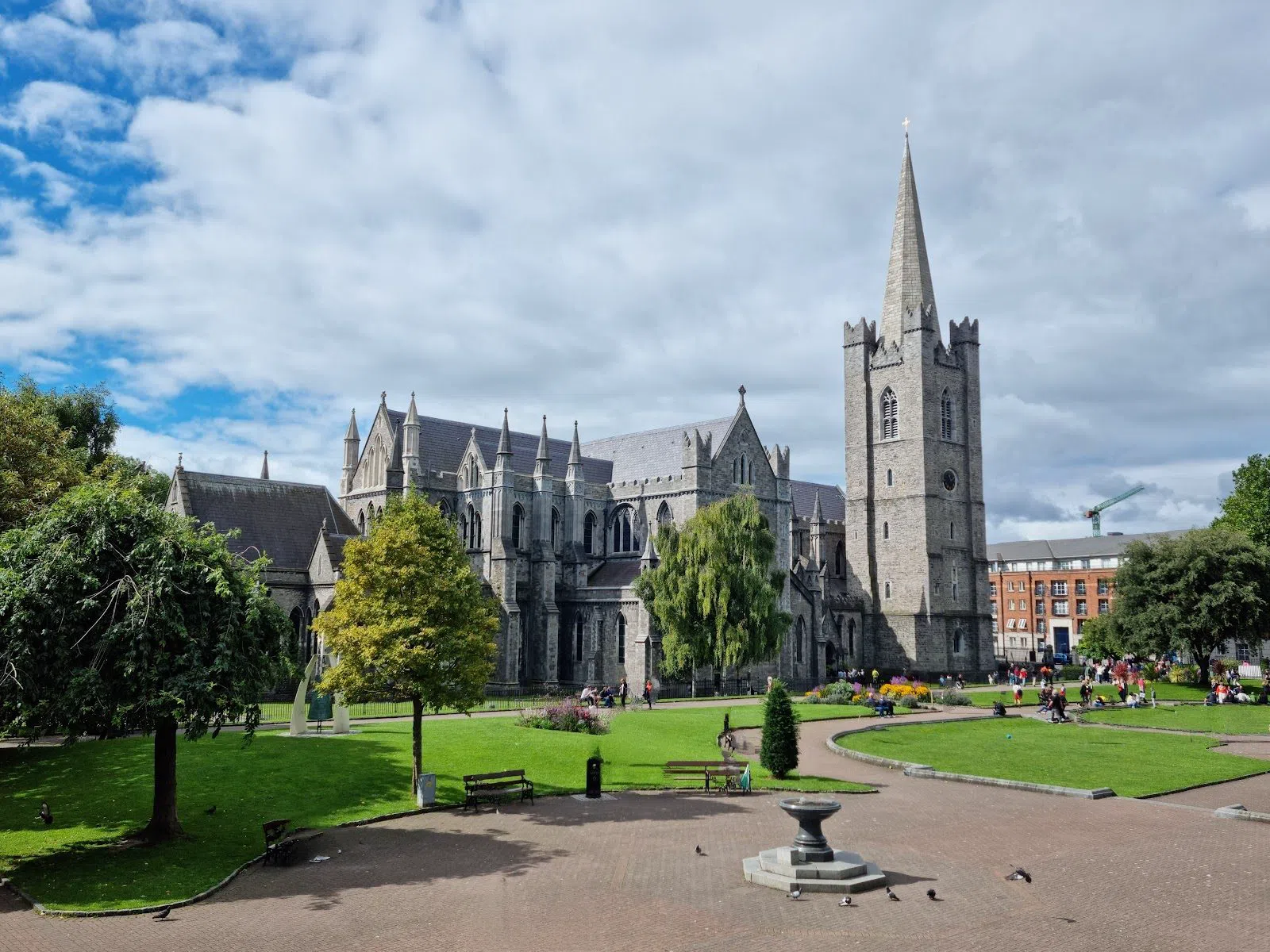
Saint Patrick's Cathedral, ten minutes south of the castle down Nicholas Street, is the bigger and grander of the two cathedrals and holds Jonathan Swift's grave and pulpit. Adult entry is €11.50, €10 student or senior, €5.50 for a child aged 6 to 12 and €31 for a family; private guided tours run Monday to Saturday at €18 per person with a minimum of ten. Groups of ten or more must book online and arrive inside their slot. Avoid Sundays, when the hours are broken around services, 9am to 1pm and then 4.30 to 6pm.
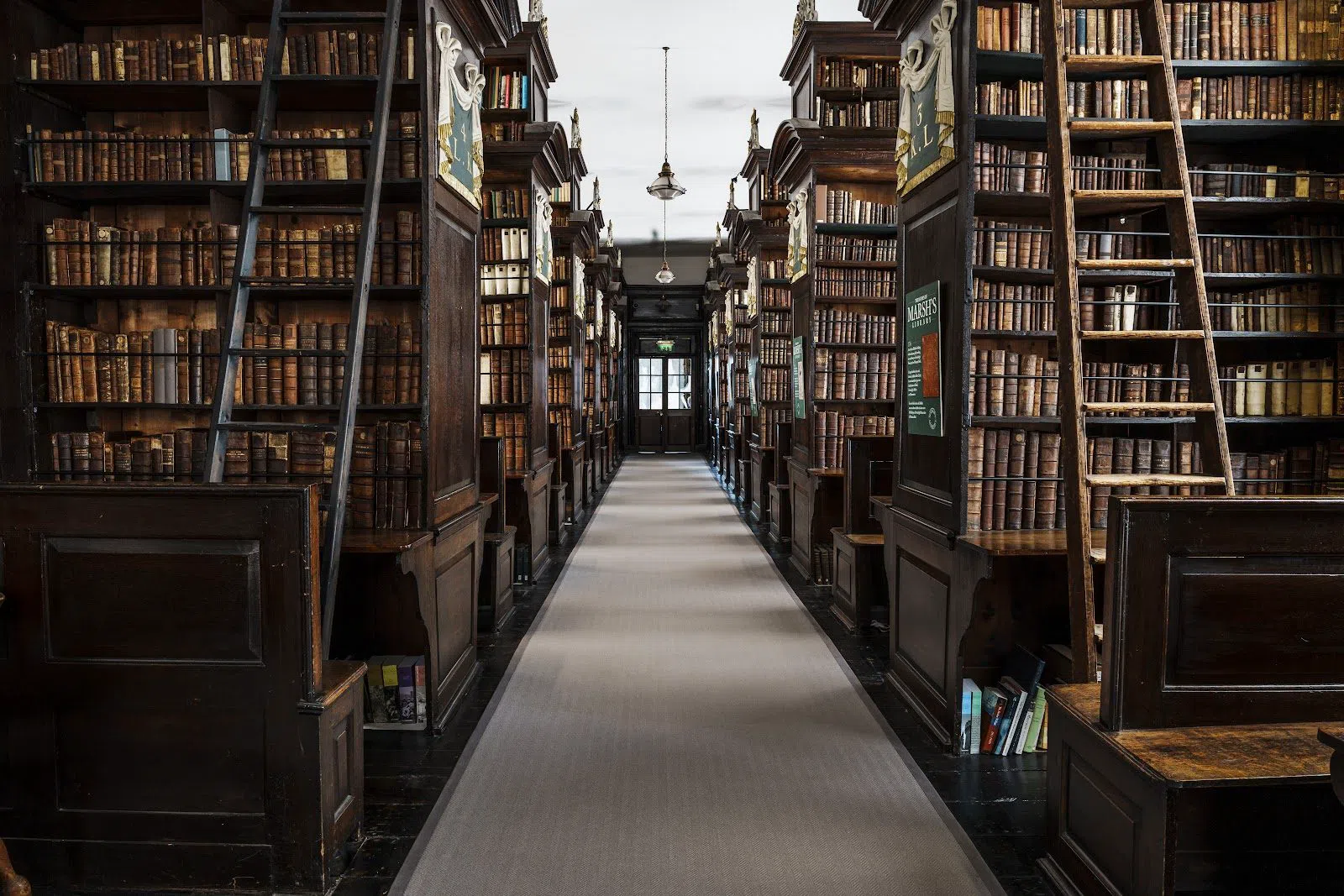
Right beside it, Marsh's Library on St Patrick's Close is the connoisseur's stop and my favourite room in this part of Dublin: a working 300-year-old library with its original dark oak bookcases and reading cages, used by Swift and later by Joyce. It is €8 adult, €6 senior or student, and it takes groups for self-guided or guided visits through its group-visits page. The galleries are not wheelchair accessible. It closes Sundays, Mondays and bank holidays, and shuts at 1pm on 23 December 2026 until 5 January 2027.
Georgian Dublin without a ticket
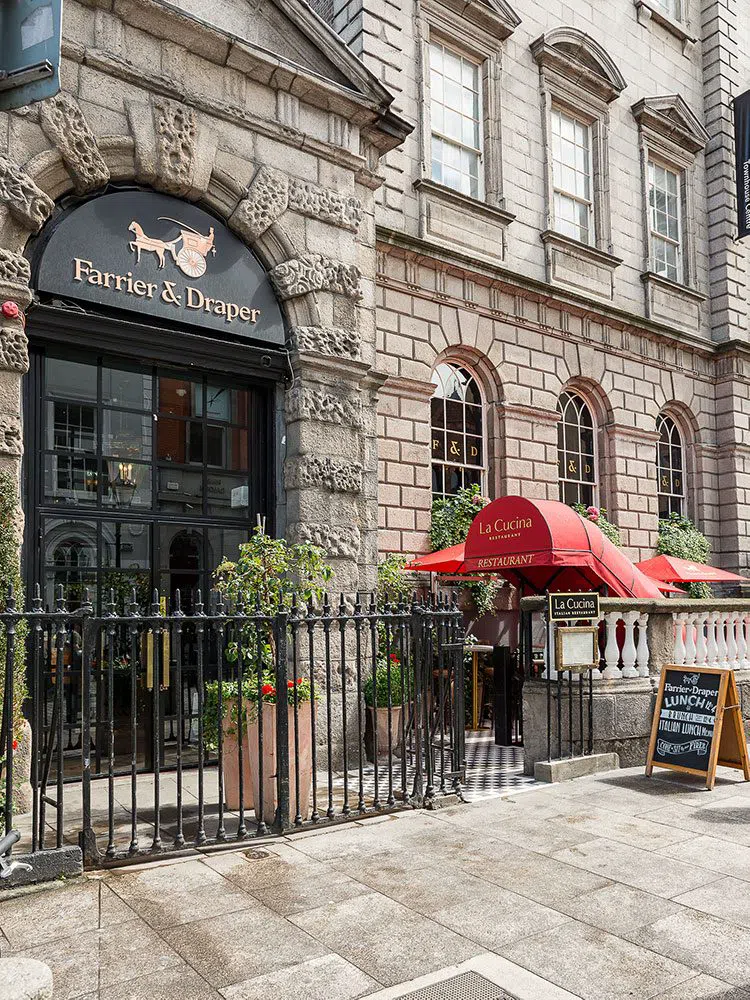
If the castle's state rooms are what you wanted and the gate is shut, Powerscourt Townhouse Centre on South William Street gives you the same story for nothing: a 1770s nobleman's townhouse, grand staircase and plasterwork intact, now roofed in glass over a courtyard of Irish design, antiques and cafés. Entry is free, groups are fine in the public building, and the balcony cafés are small. Hours are Monday to Saturday 10am to 6pm, Sunday noon to 6pm.
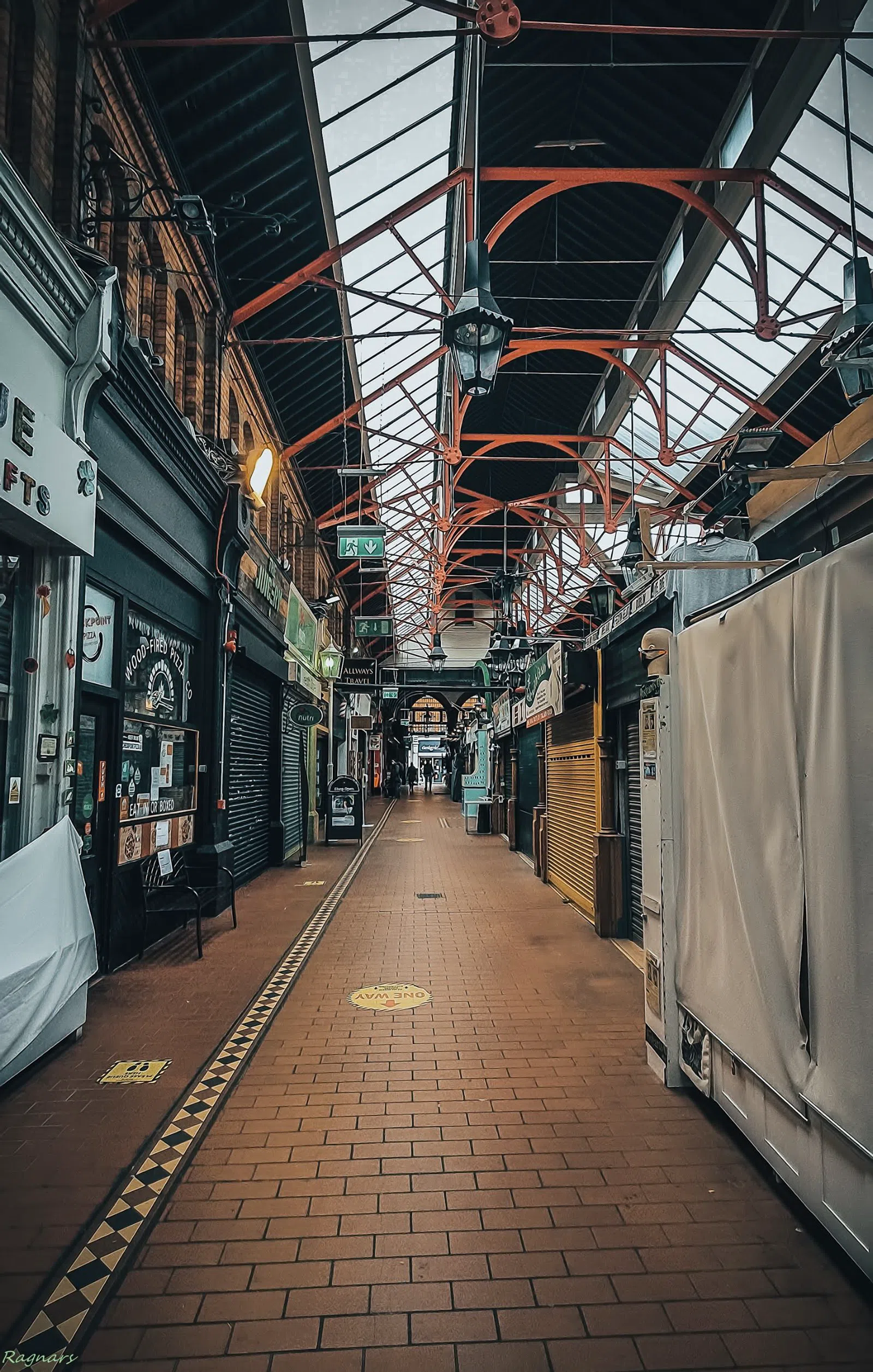
Two minutes from the castle, George's Street Arcade on South Great George's Street is Ireland's oldest shopping centre and the obvious rain cover: forty-odd independent traders under a red-brick Victorian shell, free to browse, cheap to eat in. Aisles get tight at lunchtime and it is closed Sundays and Mondays, so check the day before you route a group through it.
Pairing the castle with the Book of Kells
The Book of Kells Experience at Trinity College Dublin on College Green is a seven-minute walk east along Dame Street and the pairing most visitors make. Entry starts at €25 per adult, timed entry with online booking strongly advised, group and educational rates by email to [email protected], and you should allow 90 minutes across two buildings. The Old Library redevelopment has emptied every Long Room bay except the first four, so the famous wall of books is largely gone for now. There is no photography at all in the Treasury and no flash elsewhere. Go for the manuscript, not the bookshelves.
Where to eat and drink around the gate
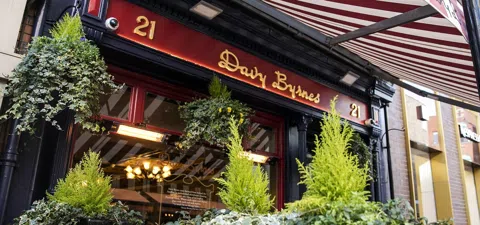
Queen of Tarts on Cork Hill has been baking since 1998 and makes the best cake within a minute of the castle gate. The room seats about 25, queues onto the pavement at weekends, and is no use at all for a group, so send anything over four to the larger Cows Lane branch instead.
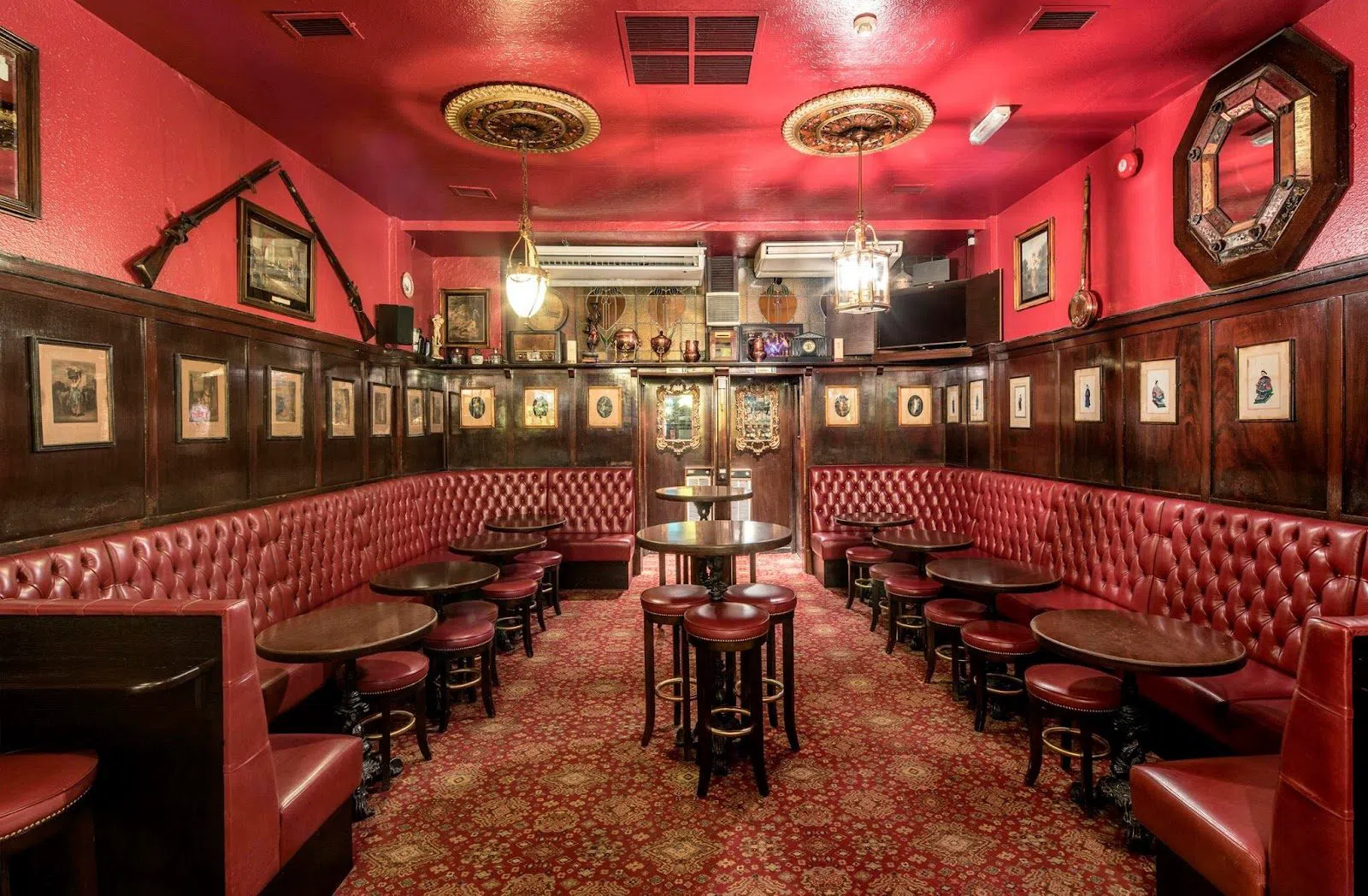
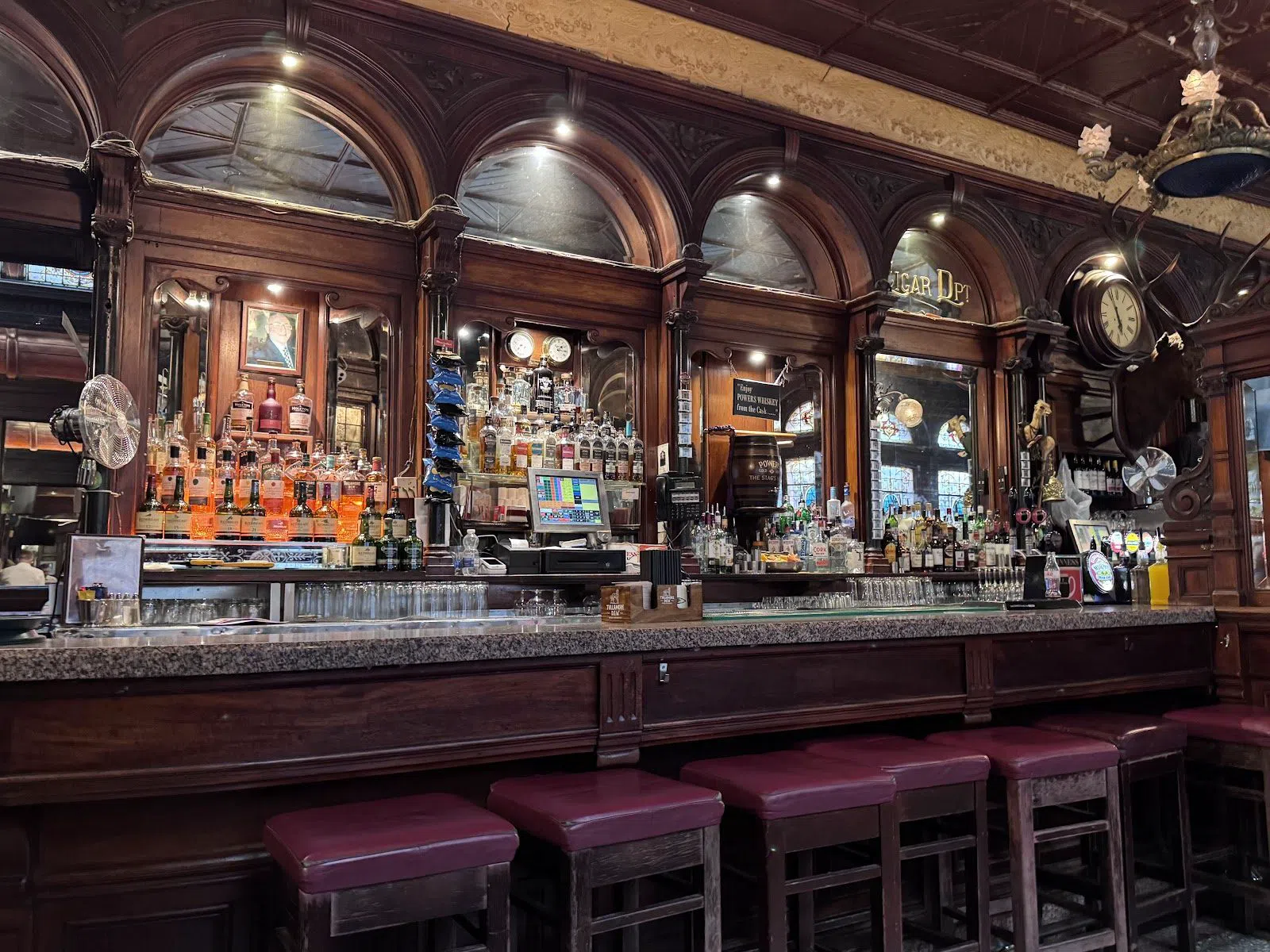
For the evening, The Stag's Head on Dame Court has the best-preserved Victorian interior in the castle's immediate hinterland, takes groups and does food, which is why most walking tours of the quarter end on its doorstep; the main bar jams solid on Friday and Saturday nights, so go early or midweek. The Long Hall on South Great George's Street is the purer Victorian bar (on the site since 1766, mirrors, mahogany, drinks only, no kitchen), but it is long and narrow and unsuitable for groups of any size, and it opens late: 4pm most days, 1pm Thursday to Saturday, 3pm Sunday. Treat it as an evening stop, never a daytime one.
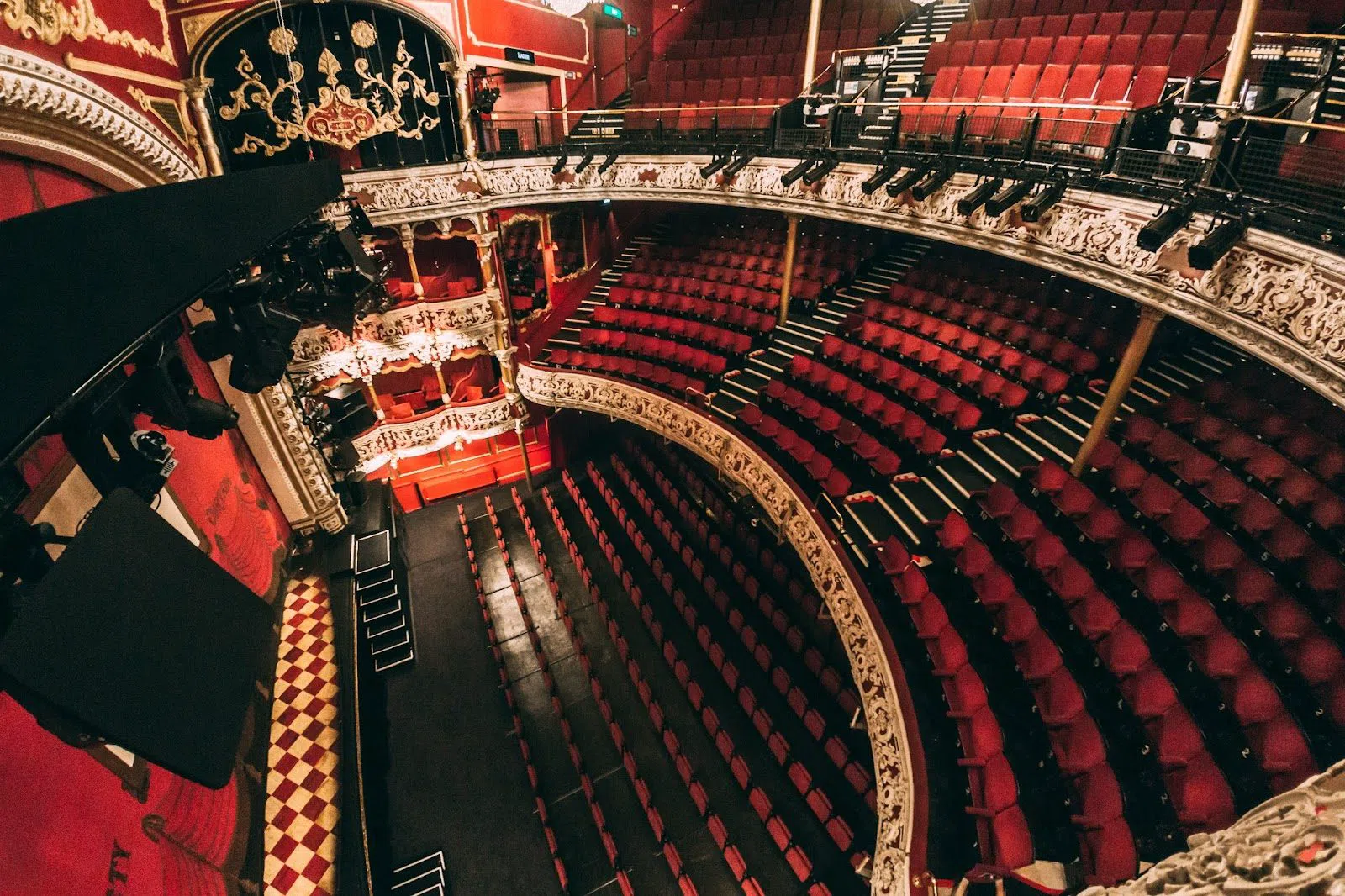
The 3Olympia Theatre on Dame Street is the castle's own street's evening anchor, a Victorian music hall with autumn 2026 shows on sale. Use the current name, because the old one still litters guidebooks. It is ticketed events only, with group bookings through the box office and no daytime sightseeing access.
Is it worth it
Yes, with one condition: take the guided visit. Self-guided through the State Apartments is a pleasant hour in handsome rooms and you will leave without understanding why the building matters. The guided route, with the Undercroft, the Chapel Royal and the 1916-to-1922 thread, is one of the best-value hours of history in the city. It suits anyone who likes their sightseeing joined up: architecture readers, political-history readers, anyone curious why this quadrangle rather than a fortress. Families with small children will get more out of Dublinia. If you want ruined-battlement romance, this is not that castle, and no amount of guiding will make it one.
Best time to go
Early morning, midweek, any month. The castle is almost entirely indoors, which makes it the right call on a wet November afternoon and a slight waste of a rare blue July morning when the Dubh Linn Gardens and St Patrick's Park are at their best. Spring and autumn are the sweet spot for the quarter as a whole: longer Dublinia hours from April, and fewer coaches than July and August. Avoid Sunday if your day includes St Patrick's Cathedral, City Hall or George's Street Arcade, because all three run restricted or closed. Around St Patrick's Day the whole quarter is heaving; the week after is calm and the prices soften. And remember the late-December shutdown on Marsh's Library if you are here between Christmas and the new year.
Practical notes
The castle sits on Dame Street, eight minutes' walk from O'Connell Bridge and five from Trinity's front gate. The Luas Green Line drops you at Trinity or Dawson Street, the Red Line at Jervis or Four Courts, and most cross-city buses run along Dame Street or the quays. From Heuston station it is a 25-minute walk along the south quays or two stops on the Red Line; from Connolly, 15 minutes on foot. Airport buses stop within ten minutes' walk. Do not drive: the streets around Cork Hill are one-way, bus-gated and brutally expensive to park in.
Cards work everywhere, including the pubs. Still, carry €20 in coins and notes for the arcade traders and a cathedral donation box. Prices here are in euro, and the castle quarter is walkable enough that you will not spend anything on transport inside it.
A full day of the quarter without the castle runs about €40 a head: Dublinia at €18, Christ Church at €12, Marsh's Library at €8, with City Hall and Powerscourt free. Add the Book of Kells from €25 and you are at €65. Lunch in the arcade is under €15; a pint in the Stag's Head is mid-range.
For a base, this is the most walkable part of the city. Dame Street, South Great George's Street and the streets behind Powerscourt put the cathedrals, Trinity and the river inside ten minutes on foot, and the castle-adjacent hotels are a short step from the Luas. Compare rates and locations on Dublin hotel search, and read the rest of the city in our Dublin guide before you fix an itinerary around a gate that may still be shut.
Før du drar
Is Dublin Castle open to visitors right now?
No. The castle campus is currently closed to visitors and the gate on Palace Street beside the castle entrance is shut. No reopening date has been published that I can stand behind, so check the official Dublin Castle page in the week you travel, and if you have booked a guided walk, ask the operator whether it still enters the grounds. Dublin City Hall next door on Cork Hill is free, open and covers much of the same city history in the meantime.
How long do you need inside Dublin Castle?
Allow 45 minutes to an hour for the State Apartments self-guided, or around 70 minutes for a guided visit that includes the Undercroft and the Chapel Royal. Add half an hour for the yards and the Dubh Linn Gardens. Pairing the castle with one cathedral is a comfortable half day; pairing it with the Book of Kells Experience at Trinity, which needs 90 minutes of its own, fills a morning and then some.
Can you see the Viking foundations without a guided tour?
Usually not. The Undercroft (the Viking defensive bank, the base of the Powder Tower and the point where the Poddle entered the moat) is normally only reached on the guided visit, which is why the guided ticket is worth the extra over self-guided entry. It is down a flight of stairs into a low, tight space, and anyone with mobility or access needs should confirm before booking around it.
Should I book ahead or just turn up at the door?
The ticket desk is rarely the problem; the guided slots are. They are capped by how many people fit in the Undercroft, and afternoon arrivals routinely find the next tour full and get offered state-rooms-only access. Book the guided slot ahead if the medieval layer is why you came. Guided walks that take in the castle and the lanes around it run every day of the week and start at 27 USD per person.
Where should I stay to be near Dublin Castle?
The streets immediately around it (Dame Street, South Great George's Street and the blocks behind Powerscourt Townhouse Centre) are the most walkable base in Dublin, with the two cathedrals, Trinity and the quays all inside ten minutes on foot and the Luas a few minutes away. Rates drop noticeably a week after St Patrick's Day and through November; compare locations before booking, because 'castle hotel' listings here range from the gate itself to a fifteen-minute walk.